Foodinfomatic Team

Foodinfomatic is written and researched by a small team focused on making food and nutrition information genuinely useful — without the fluff, fad claims, or oversimplified advice that's common in this space.

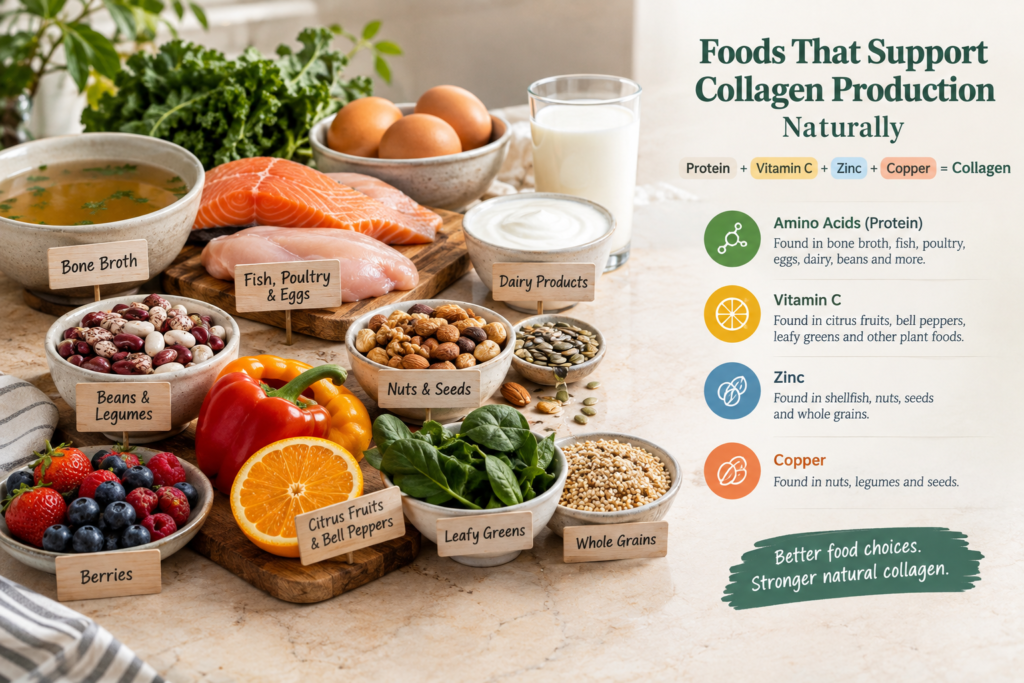
Foods that support collagen production naturally, including fish, eggs, bone broth, berries, citrus fruits, nuts, and leafy greens

Foods That Support Collagen Production Naturally: The Mechanism Behind the Marketing

A common assumption behind foods that support collagen production naturally is that eating something high in collagen, like bone broth or chicken skin, directly adds collagen to your own skin or joints. That’s not quite how digestion works. Collagen is a protein, and like any protein you eat, it gets broken down into individual amino

Foods That Support Collagen Production Naturally: The Mechanism Behind the Marketing Read More »

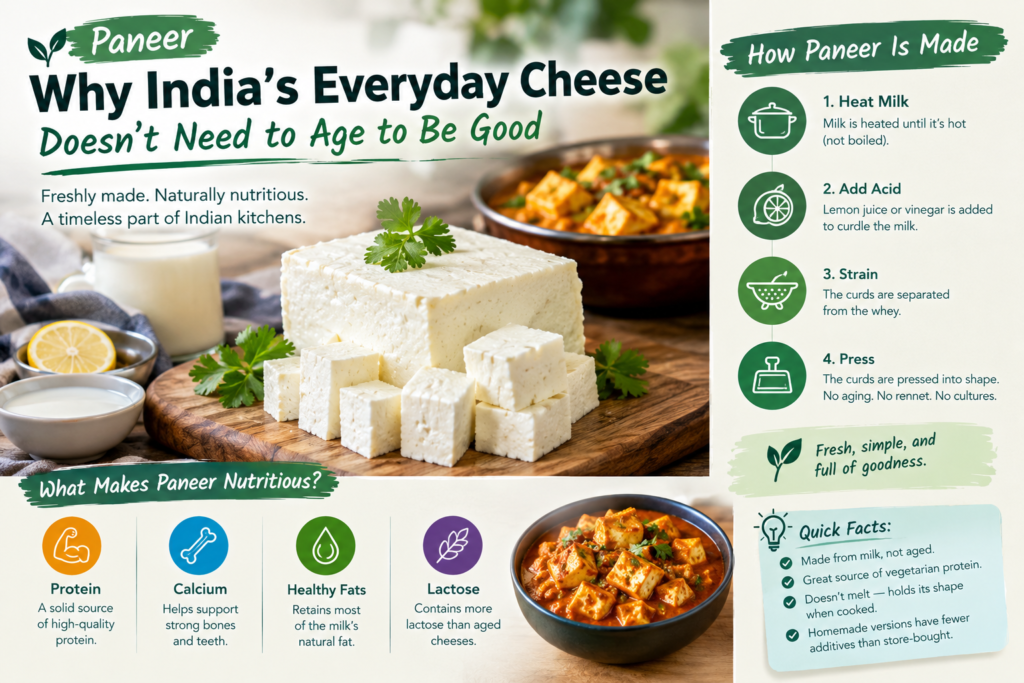
Paneer cheese made from milk with lemon, showing how fresh paneer is curdled, strained, pressed, and used in Indian cooking

Paneer: Why India’s Everyday Cheese Doesn’t Need to Age to Be Good

Most cheeses spend weeks or months developing flavor through aging — paneer skips that step entirely, and it’s made fresh within minutes of curdling the milk. This article is for general informational purposes and isn’t medical advice. Paneer is made by curdling hot milk with an acid — usually lemon juice or vinegar — then

Paneer: Why India’s Everyday Cheese Doesn’t Need to Age to Be Good Read More »

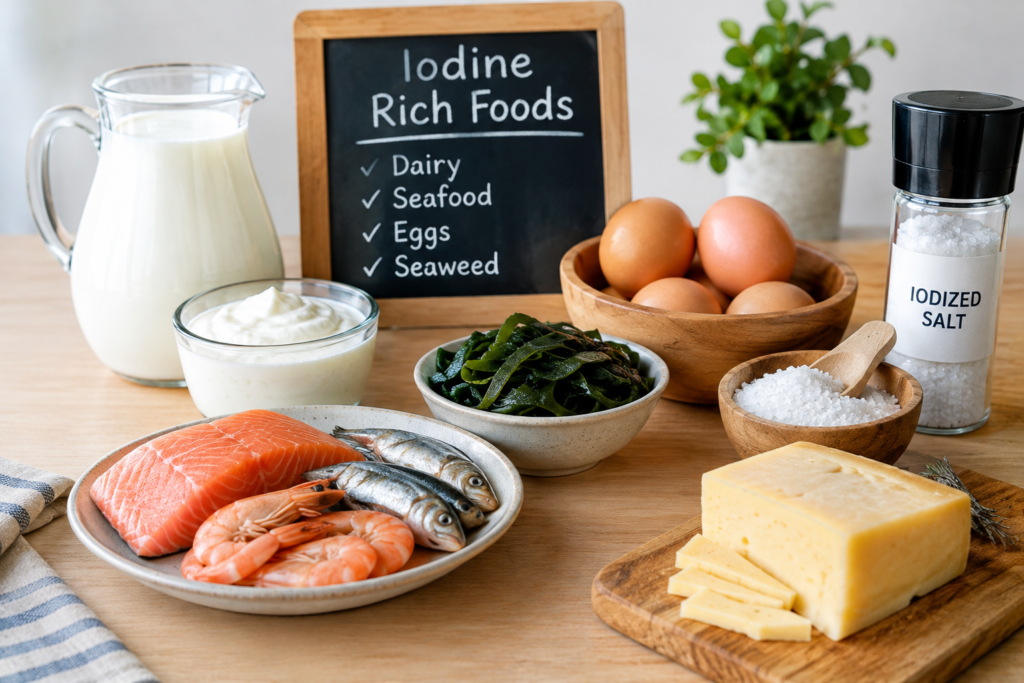
Iodine-rich foods including dairy, seafood, eggs, seaweed, and iodized salt

Why Iodine Deficiency Is Quietly Becoming More Common Again

Iodine deficiency was largely considered a solved problem once iodized salt became standard decades ago — but shifting eating habits have quietly reopened the gap for some people. This article is for general informational purposes and isn’t medical advice regarding thyroid conditions. Iodine intake can support normal thyroid function, but it doesn’t cure or treat

Why Iodine Deficiency Is Quietly Becoming More Common Again Read More »

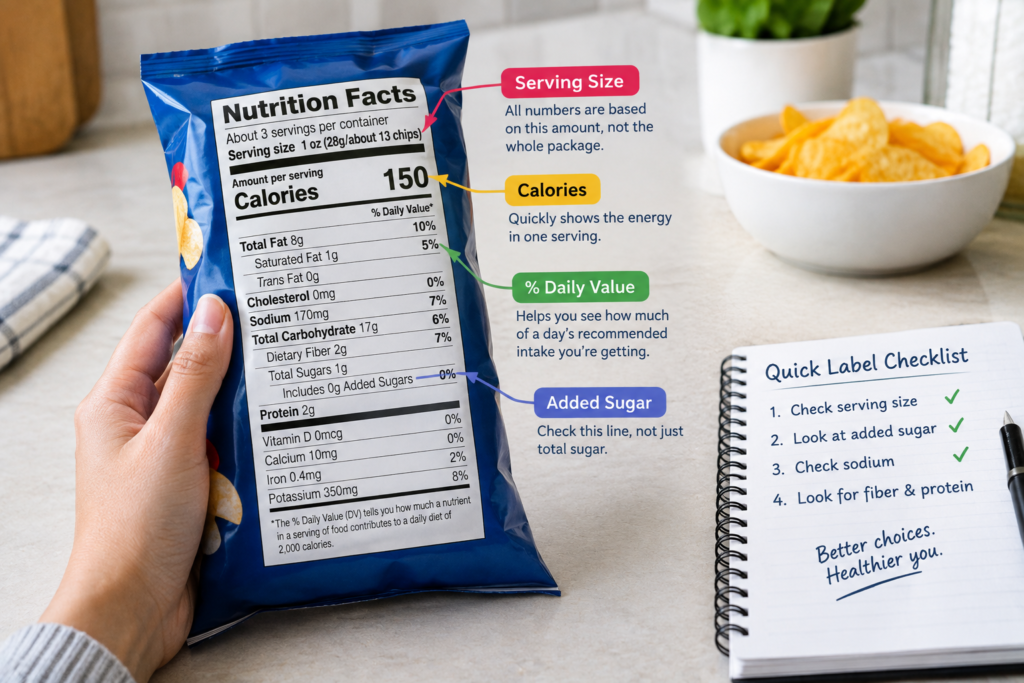
Person reading a nutrition facts label on a packaged snack while checking serving size, added sugar, sodium, fiber, and protein

How to Read a Nutrition Label Correctly (Without Getting Lost in the Numbers)

Nutrition labels pack a lot of information into a small box, and most people either skim past it entirely or focus on just one number without knowing whether it actually matters. This article is for general informational purposes and isn’t medical advice. It focuses specifically on the nutrition facts panel and its numbers; our guide

How to Read a Nutrition Label Correctly (Without Getting Lost in the Numbers) Read More »

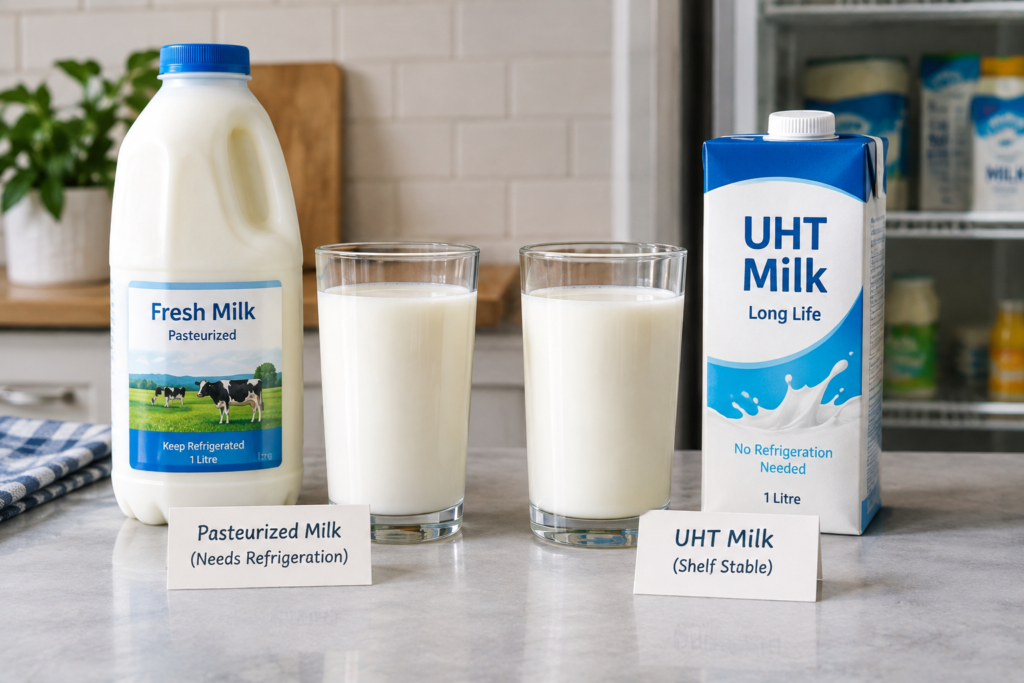
UHT milk and pasteurized milk in glasses with their packaging showing shelf stability and refrigeration differences

UHT Milk vs Pasteurized: Why One Sits on the Shelf and One Doesn’t

Walk down any grocery aisle, and there’s milk that needs refrigeration right next to milk that doesn’t — both are safe to drink, but they’re processed quite differently to get there. This article is for general informational purposes and isn’t medical advice. It covers heat-treatment methods specifically; our guide on milk standardisation covers a separate

UHT Milk vs Pasteurized: Why One Sits on the Shelf and One Doesn’t Read More »

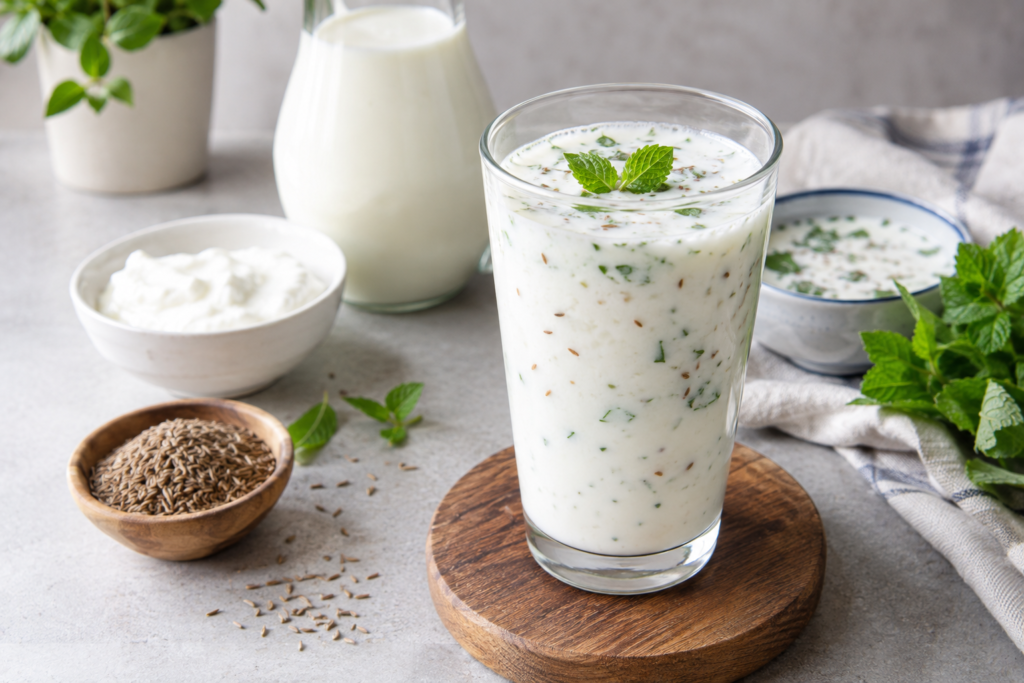
Traditional spiced buttermilk chaas with mint, cumin seeds, yogurt, and milk

Why “Buttermilk” Is One of the Most Misleading Names in Dairy

Despite the name, buttermilk isn’t full of butter — traditional buttermilk is actually one of the leaner dairy drinks, and the name comes from an old byproduct, not the fat content. This article is for general informational purposes and isn’t medical advice. Traditional buttermilk (chaas) is distinct from kefir; our comparison of kefir and yogurt

Why “Buttermilk” Is One of the Most Misleading Names in Dairy Read More »

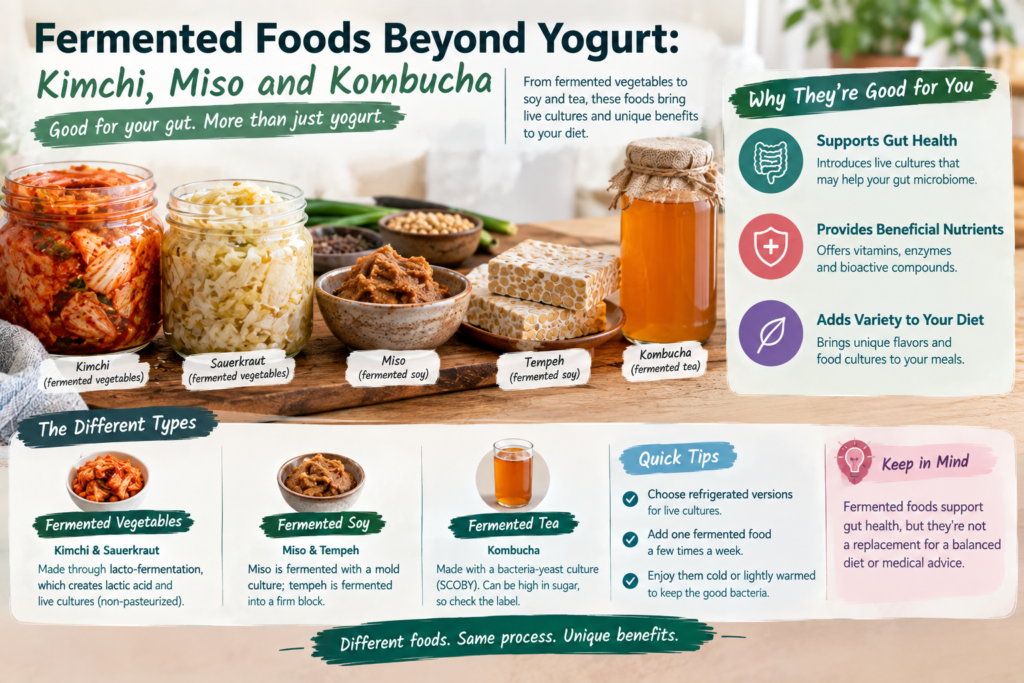
Fermented foods including kimchi, sauerkraut, miso, tempeh, and kombucha for gut health

Fermented Foods Beyond Yogurt: What Kimchi, Miso, and Kombucha Actually Do

Yogurt and sourdough tend to dominate the “fermented foods” conversation, but a whole other category — fermented vegetables, soy, and tea — works through a similar process with its own set of benefits worth knowing about. This article is for general informational purposes and isn’t medical advice. It focuses specifically on non-dairy, non-bread fermented foods;

Fermented Foods Beyond Yogurt: What Kimchi, Miso, and Kombucha Actually Do Read More »