The aroma of freshly baked bread has anchored human culture for millennia. Yet, the method used to transform simple flour and water into a stable loaf dictates far more than just surface appearance. While modern commercial baking relies on isolated strains of Saccharomyces cerevisiae to force rapid gas production, traditional sourdough relies on a symbiotic culture of wild yeasts and lactic acid bacteria. Understanding this biological interaction reveals why traditional fermentation produces a fundamentally different structural and chemical profile than conventional bread.
The Microbial Ecosystem: Wild Yeast Meets Lactobacilli
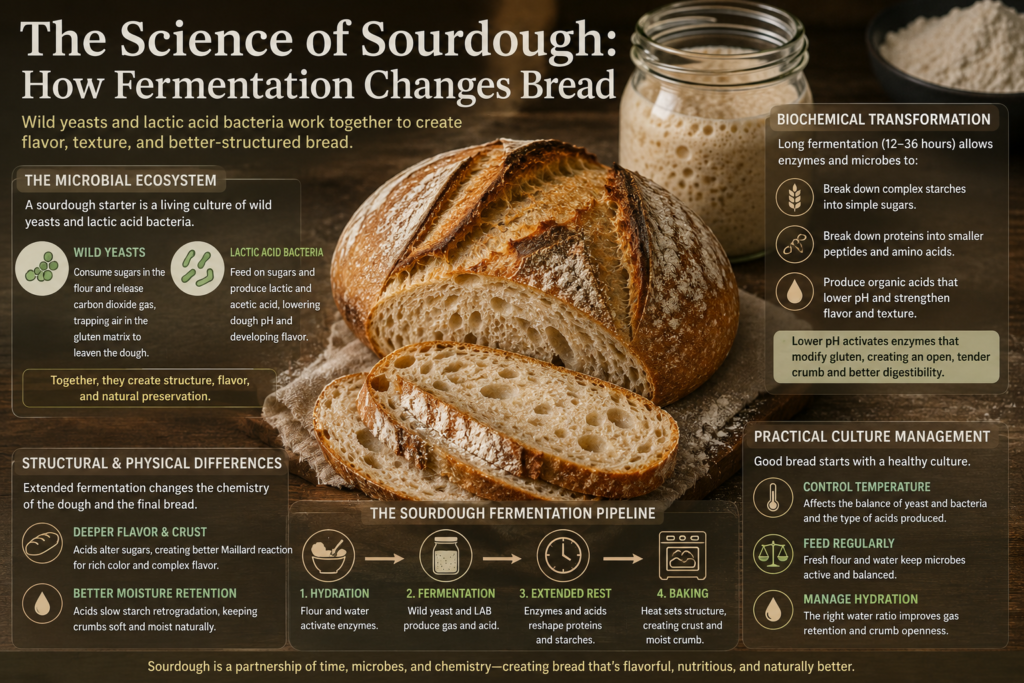
At the heart of every stable sourdough starter lies a complex micro-ecosystem. Unlike commercial baking, which introduces a single yeast monoculture, a sourdough starter fosters a diverse population of microorganisms working in tandem.
- Wild Yeasts: Strains such as Candida humilis or Kazachstania exigua are naturally present on grain husks and in the surrounding environment. Their primary role during the baking cycle is leavening—consuming simple sugars released from starch and releasing carbon dioxide gas, which gets trapped in the gluten matrix to create the characteristic crumb structure.
- Lactic Acid Bacteria (LAB): Species of Lactobacillus feed on the maltose and glucose generated by flour enzymes. Unlike yeast, their metabolic byproduct is not just carbon dioxide, but organic acids—specifically lactic and acetic acid.
This dual microbial action establishes the foundation of bread baking chemistry. The balance between yeast activity and bacterial acid production determines everything from the dough’s pH level to its ultimate texture and shelf-stability. For readers tracking how foundational biological components transform during food production, this microbial interaction mirrors the enzymatic shifts examined in our review of core dairy food group processing methods.
Biochemical Transformation During Long Fermentation
The defining characteristic of traditional sourdough production is time. Extended bulk fermentation and proofing periods—often lasting anywhere from 12 to 36 hours—allow enzymatic and microbial reactions to unfold gradually.
During this window, endogenous cereal enzymes, particularly amylases and proteases, break down complex starches into fermentable sugars and large proteins into smaller peptides and amino acids. This pre-digestion of the flour matrix alters the physical properties of the dough long before it enters an oven.
Furthermore, the continuous accumulation of organic acids lowers the pH of the dough. This acidification activates cereal proteases, which selectively modify proteins within the gluten network. Rather than destroying the dough structure, this controlled softening contributes to the open, irregular gas pockets and tender mouthfeel typical of artisanal loaves.
Structural and Physical Differences in the Loaf
The physical architecture of a traditionally fermented loaf differs noticeably from standard sandwich bread. The biological breakdown of complex carbohydrates during an extended proofing cycle shares structural parallels with how complex plant walls are processed in specialized dietary frameworks, similar to the breakdown patterns analyzed in our guide on high-fiber nutritional structures.
Traditional Sourdough vs. Commercial Leavening Pipeline:
- Phase 1: Flour and water hydration initiate endogenous enzymatic activity.
- Phase 2: Wild yeast and LAB inoculation drive simultaneous gas production and acidification.
- Phase 3: Extended resting allows pH-mediated protein modification and starch conversion.
- Phase 4: Thermal setting establishes a distinct, caramelized crust and moisture-retaining crumb.
- Crust Caramelization: Because lactic acid bacteria consume and alter specific sugar ratios during fermentation, the Maillard reaction—the chemical reaction between amino acids and reducing sugars that gives the crust its golden-brown color—proceeds differently under lower pH conditions. This often results in a deeper, more caramelized crust profile.
- Moisture Retention: The organic acids produced by lactobacilli interact with water molecules and starch granules, modifying retrogradation (the process by which starch molecules recrystallize as bread cools). This biochemical interaction helps the crumb retain moisture over extended periods without the need for artificial additives or preservatives.
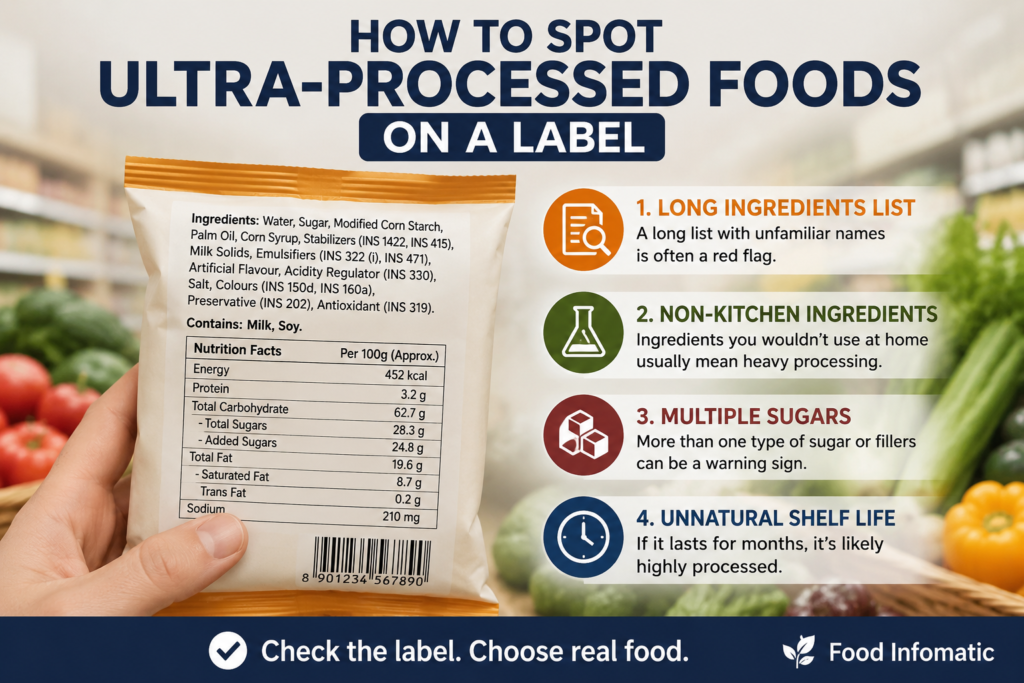
To explore broader principles of cereal processing and ingredient labelling, read our breakdown of how to identify processing indicators on food labels.
Applying Baking Chemistry to Practical Culture Management
Translating these biochemical principles into practical baking requires managing the living environment of the culture itself. Sustaining a healthy sourdough ecosystem relies on deliberate control over ambient conditions.
While wild yeasts and lactic acid bacteria can survive across a broader thermal spectrum (typically between 18°C and 30°C), maintaining specific temperature windows directly influences the ratio of acetic to lactic acid development.
- Feeding Ratios: Regular dilution with fresh flour replenishes available starches and prevents metabolic waste accumulation from stalling microbial activity.
- Starter Hydration: Managing the water-to-flour ratio directly influences gas retention capacity and crumb openness during the final bake.
Conclusion
Traditional sourdough fermentation is fundamentally an exercise in patience and biological control. By understanding how wild yeasts and lactic acid bacteria reshape starches and proteins over extended windows, bakers and food enthusiasts can better appreciate the mechanics behind artisanal bread. Whether you are baking at home or analyzing commercial ingredient panels, recognizing these microbial pathways offers a clearer window into how everyday grains are transformed into stable, structured foods.