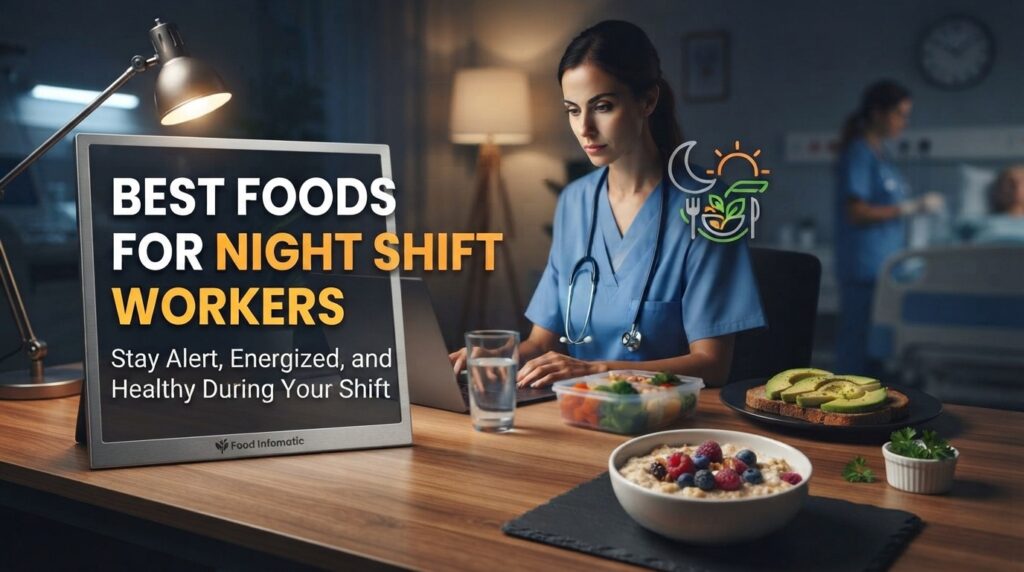
Working while the rest of the world sleeps comes with a challenge most day-shift jobs never have to think about: your body’s internal clock is fighting you the entire time. What you eat during a night shift can either work with that fight or make it noticeably worse — and the difference often comes down to timing as much as the food itself.
This article is for general information only and isn’t medical advice. If you have a specific health condition affected by shift work, it’s worth speaking with a doctor or dietitian about what’s right for your situation.
Why Night Shifts Mess With Your Eating in the First Place
Your body’s internal clock expects to eat during the day and rest at night, and working against that pattern doesn’t just affect sleep — it affects digestion, blood sugar regulation, and hunger signals too. This is part of why night shift workers often report stronger cravings for sugary or fatty foods, since being tired tends to push people toward quick, high-reward options rather than genuinely useful fuel.
Build Around Three Anchor Points, Not Random Grazing
Rather than eating whenever hunger strikes, a more structured approach tends to work better for sustained energy:
- Before your shift: A balanced meal combining protein, complex carbohydrates, and healthy fats gives you a solid foundation heading into several hours of work.
- During your shift: Smaller, lighter snacks rather than a heavy meal help avoid the sluggish feeling that comes after eating a large amount, especially in the middle of the night when digestion naturally slows down.
- After your shift: A light, easy-to-digest meal before sleep tends to work better than a large one, which can interfere with falling asleep or sleep quality.
Foods That Tend to Work Well
Lean proteins like chicken, fish, eggs, tofu, or beans help maintain steady energy without a sharp crash later. Complex carbohydrates — oats, brown rice, whole grain bread — release energy more gradually than refined, sugary alternatives. Healthy fats from nuts, seeds, or avocado round things out and support longer-lasting fullness. Fruit and vegetables also matter more than people often realise on a night shift, since fibre helps slow digestion and supports more stable energy through the hours ahead.
What Tends to Work Against You
Fried, greasy, or heavily processed food is harder to digest and more likely to leave you sluggish rather than alert. Sugary snacks and energy drinks often create a sharp spike followed by an equally sharp crash, which can be worse than the tiredness they were meant to fix. Caffeine can genuinely help with alertness, but timing matters — having it too close to the end of your shift can interfere with sleep once you’re finally able to rest.
Don’t Underestimate Hydration
It’s easy to forget to drink water during a busy overnight shift, but mild dehydration alone can cause fatigue, headaches, and difficulty concentrating — symptoms that are easy to mistake for simple tiredness. Keeping water nearby and sipping regularly throughout the shift is a small habit that genuinely supports alertness.
Frequently Asked Questions
What should I eat before a night shift?
A balanced meal with lean protein, complex carbohydrates, and healthy fats provides a solid foundation of steady energy heading into your shift.
Is it bad to eat a big meal during a night shift?
Large meals in the middle of the night can feel heavier to digest and may leave you sluggish, since digestion naturally slows during typical sleep hours. Smaller, lighter snacks tend to work better during the shift itself.
When should I stop drinking caffeine during a night shift?
Having caffeine too close to the end of your shift can make it harder to fall asleep afterward, so earlier in the shift is generally a better time for it than the final hours.
Why do I crave sugary food more on night shifts?
Tiredness and disrupted sleep patterns can increase cravings for quick, high-reward foods like sugar and fat, which is part of why planning meals and snacks in advance tends to help avoid relying on vending machine options.
Explore More
Looking for more practical nutrition guidance? Browse our Health Tips category, check out our guide on foods naturally high in iron for another energy-related read, or head back to our homepage for more food facts.