Hibiscus Tea Recipe – A Refreshing, Beautifully Red Herbal Tea You’ll Love
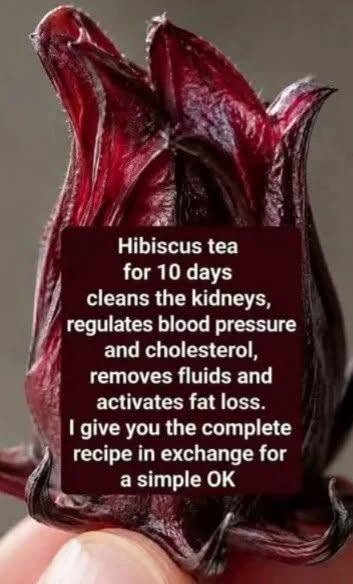
There’s something so lovely about a cup of homemade hibiscus tea. Its deep ruby-red color, refreshing fruity aroma, and naturally tangy flavor make it feel a little more special than an ordinary cup of tea. Whether you enjoy it warm on a quiet evening or chilled over ice on a sunny afternoon, hibiscus tea is a beautiful drink that’s surprisingly easy to prepare.
I first became interested in hibiscus tea after a friend recommended trying it. She told me about its gorgeous red color and slightly tart, cranberry-like flavor. I was curious because I had seen hibiscus flowers used in different herbal drinks, but I had never actually made the tea myself. One afternoon, I finally decided to give it a try, and I was pleasantly surprised!
The color was absolutely beautiful, and the taste was refreshing with just the right amount of tanginess. I added a little honey and lemon, and it quickly became one of my favorite homemade drinks.
Now, I love preparing hibiscus tea whenever I want something refreshing without reaching for sugary drinks. Sometimes I make it warm on relaxing weekends, and other times I prepare a chilled pitcher for the family. Everyone enjoys its beautiful color and fruity flavor.
The best part is that you only need a few simple ingredients. If you’ve never tried hibiscus tea before, this easy recipe is a wonderful place to start!
Why You’ll Love This Hibiscus Tea Recipe
There are plenty of reasons to fall in love with this homemade herbal tea.
-
Beautiful natural color: Hibiscus creates a gorgeous deep red infusion without artificial coloring.
-
Easy to prepare: You only need a few ingredients and a saucepan.
-
Refreshing flavor: It has a naturally tangy taste similar to cranberries.
-
Caffeine-free: Pure hibiscus tea contains no caffeine.
-
Enjoy it hot or cold: It’s delicious in every season.
-
Easy to customize: Add honey, lemon, ginger, mint, or cinnamon.
-
Budget-friendly: A small quantity of dried hibiscus flowers goes a long way.
Ingredients You’ll Need
You don’t need anything complicated to make a delicious cup of hibiscus tea. Dried hibiscus flowers are the main ingredient, while honey and lemon are optional additions.
|
Ingredient |
Quantity |
|---|---|
|
Dried hibiscus flowers |
2 tablespoons |
|
Water |
2 cups |
|
Honey |
1–2 teaspoons (optional) |
|
Fresh lemon juice |
1 teaspoon (optional) |
|
Fresh mint leaves |
3–4 leaves (optional) |
Ingredient tip: Use food-grade dried hibiscus flowers intended for making tea. They are often sold as dried roselle or hibiscus sabdariffa. Choose flowers with a rich red color and a fresh, pleasant aroma.
How to Make Hibiscus Tea
Step 1: Prepare the Hibiscus Flowers
Measure two tablespoons of dried hibiscus flowers.
If they contain any visible dust or small particles, give them a quick rinse using a fine-mesh strainer.
Step 2: Boil the Water
Pour two cups of water into a small saucepan and place it over medium heat.
Bring the water to a gentle boil.
Step 3: Add the Hibiscus Flowers
Once the water starts boiling, turn off the heat and add the dried hibiscus flowers.
Stir gently so the flowers are fully submerged.
I love watching the water change color at this stage. Within a few minutes, it develops a beautiful deep ruby-red shade that makes the tea look absolutely gorgeous!
Step 4: Let It Steep
Cover the saucepan and allow the hibiscus flowers to steep for approximately 5–10 minutes.
If you prefer a mild flavor, steep for around 5 minutes. For a stronger and more tangy tea, leave it for a little longer.
Step 5: Strain the Tea
Place a fine-mesh strainer over your favorite cup or teapot.
Carefully pour the tea through the strainer to remove the hibiscus flowers.
You’ll be left with a beautifully colored herbal infusion.
Step 6: Add Honey and Lemon
Allow the tea to cool slightly before adding honey and lemon juice.
Stir well and taste. You can adjust the sweetness depending on how tangy you like your tea.
Step 7: Serve and Enjoy!
Your homemade hibiscus tea is ready!
Serve it warm for a comforting drink, or allow it to cool completely and pour it over ice for a refreshing summer beverage.
I personally love the chilled version with a few fresh mint leaves and lemon slices. It’s colorful, refreshing, and perfect for sharing with family!
My Best Tips for Perfect Hibiscus Tea
After experimenting with different flavors, I’ve found that a few simple tips can make a big difference.
-
Use food-grade hibiscus flowers: Make sure your dried flowers are intended for consumption.
-
Don’t over-steep: Leaving the flowers in water for too long can make the tea excessively tart.
-
Adjust the strength: Use fewer flowers or less steeping time for a milder drink.
-
Add honey gradually: Hibiscus has a naturally tangy flavor, so adjust sweetness according to your preference.
-
Use fresh lemon: A little lemon juice adds a lovely citrus note.
-
Strain properly: A fine-mesh strainer helps remove small flower particles.
-
Serve chilled: For an especially refreshing drink, refrigerate the tea before serving.
Delicious Ways to Customize Hibiscus Tea
One of my favorite things about hibiscus tea is how easily you can experiment with different ingredients.
Here are some combinations worth trying.
1. Hibiscus and Ginger Tea
Add 2–3 thin slices of fresh ginger while steeping the hibiscus flowers. Ginger gives the tea a warm, slightly spicy flavor that balances its natural tanginess.
2. Hibiscus and Lemon Tea
Add a teaspoon of fresh lemon juice after straining. This creates a bright, citrusy drink that’s especially delicious when served chilled.
3. Hibiscus and Mint Tea
Add a few fresh mint leaves to your prepared tea. The mint gives it a cooling aroma and makes it wonderfully refreshing.
4. Hibiscus and Cinnamon Tea
Add one small cinnamon stick while preparing the infusion. It gives the tea a gentle warmth and a lovely fragrance.
5. Hibiscus Iced Tea
Prepare the tea as usual, allow it to cool, and pour it into a glass filled with ice cubes. Add lemon slices and mint leaves for a beautiful homemade iced tea.
6. Hibiscus and Honey Tea
Stir in a teaspoon of honey after straining. The natural sweetness balances the tart hibiscus flavor without overpowering it.
Hot Hibiscus Tea vs. Iced Hibiscus Tea
Hot Hibiscus Tea
-
Perfect for chilly mornings and relaxing evenings.
-
Has a warm, comforting aroma.
-
Lovely with honey, ginger, or cinnamon.
Iced Hibiscus Tea
-
Perfect for hot summer afternoons.
-
Refreshing and fruity.
-
Delicious with ice, lemon, and fresh mint.
Both versions are wonderful. I usually choose the warm version when I want a relaxing drink and the iced version when the weather is hot.
Potential Benefits of Hibiscus Tea
Hibiscus tea is made from the dried calyces of the roselle plant and contains naturally occurring plant compounds, including anthocyanins and other polyphenols.
Here are a few interesting things to know:
-
Contains antioxidant compounds: Hibiscus contains plant pigments and polyphenols that have antioxidant activity.
-
Naturally caffeine-free: Pure hibiscus tea is a good alternative to caffeinated beverages.
-
Low in calories: Unsweetened hibiscus tea is naturally very low in calories.
-
Contains plant-based compounds: Its rich red color comes from naturally occurring pigments called anthocyanins.
-
May support healthy blood pressure: Some clinical studies suggest hibiscus preparations may modestly lower blood pressure, although results vary and tea should not replace prescribed medication.
Important health note: Hibiscus tea is a beverage, not a treatment for medical conditions. It may interact with blood-pressure medicines and other medications. If you have low blood pressure, take medication for hypertension, are pregnant or breastfeeding, or have a medical condition, consult a healthcare professional before consuming it regularly. Safety during pregnancy has not been adequately established.
How to Store Hibiscus Tea
If you prepare extra hibiscus tea, you can easily save it for later.
-
Allow the tea to cool completely.
-
Transfer it to a clean, airtight glass container.
-
Store it in the refrigerator.
-
Enjoy within 2–3 days for the best freshness and flavor.
-
Add honey, lemon, and fresh mint just before serving.
I prefer preparing a small pitcher and keeping it chilled in the refrigerator during warmer days. It’s so convenient when you want a refreshing drink without preparing everything again.
Nutritional Information
Hibiscus tea is naturally low in calories, especially when prepared without added sugar or honey.
Here’s the estimated nutritional breakdown per serving, assuming the recipe makes two cups.
|
Nutrient |
Amount per Serving |
|---|---|
|
Calories |
4 kcal |
|
Total Fat |
0 g |
|
Saturated Fat |
0 g |
|
Cholesterol |
0 mg |
|
Sodium |
2 mg |
|
Total Carbohydrates |
0.8 g |
|
Dietary Fiber |
0.2 g |
|
Total Sugars |
0 g |
|
Protein |
0.1 g |
|
Potassium |
15 mg |
|
Calcium |
5 mg |
|
Iron |
0.1 mg |
Nutrition values are approximate and depend on the hibiscus flowers and steeping method. Adding one teaspoon of honey per serving adds approximately 21 calories and 5.7 grams of sugar.
Frequently Asked Questions (Q&A)
Q1. What is hibiscus tea made from?
Hibiscus tea is made from the dried calyces of the hibiscus plant, commonly Roselle (Hibiscus sabdariffa). These dried parts create the beautiful red color and tangy flavor.
Q2. What does hibiscus tea taste like?
Hibiscus tea has a naturally tart, fruity flavor that’s often compared to cranberries. You can add honey to make it sweeter.
Q3. Is hibiscus tea caffeine-free?
Yes! Pure hibiscus tea made from dried hibiscus flowers and water is naturally caffeine-free.
Q4. Can I drink hibiscus tea every day?
Moderate consumption may be suitable for many healthy adults, but there is no universally established safe daily amount. Regular consumption may not be appropriate for people taking certain medications or those with low blood pressure. Ask your healthcare professional if you’re unsure.
Q5. Can I drink hibiscus tea cold?
Absolutely! Allow the prepared tea to cool, refrigerate it, and serve over ice with lemon and mint. It’s especially refreshing during summer.
Q6. Can I add honey to hibiscus tea?
Yes! Honey is a lovely addition because it balances the naturally sour taste of hibiscus. Add it after straining.
Q7. Is hibiscus tea good for blood pressure?
Some clinical research suggests hibiscus preparations may modestly reduce blood pressure. However, the effect varies, and hibiscus tea should never replace prescribed blood-pressure medication. Consult your doctor before using it regularly if you take blood-pressure medicines.
Q8. How long should I steep hibiscus tea?
Steep dried hibiscus flowers for approximately 5–10 minutes. A shorter steep produces a milder tea, while a longer steep creates a stronger, more tangy flavor.
Q9. Can I use fresh hibiscus flowers instead of dried ones?
You can use fresh edible roselle calyces if they are correctly identified and prepared for food use. However, ordinary ornamental hibiscus flowers are not necessarily interchangeable with roselle.
Q10. Can I mix hibiscus tea with ginger?
Yes! Fresh ginger complements the fruity and tangy flavor of hibiscus beautifully.
Q11. Can I prepare hibiscus tea ahead of time?
Definitely! Prepare the tea, allow it to cool, and refrigerate it in an airtight container. It is best enjoyed within 2–3 days.
Q12. Is hibiscus tea naturally sweet?
No. It has a naturally tart and slightly fruity taste rather than a sweet one. You can add honey or another sweetener if desired.
Q13. Can pregnant women drink hibiscus tea?
There isn’t enough reliable safety information to recommend hibiscus tea during pregnancy. It’s best to avoid it unless your healthcare professional advises otherwise.
Q14. Can I add milk to hibiscus tea?
You can experiment, but hibiscus tea is traditionally enjoyed without milk. Its acidity can cause milk to curdle, so honey, lemon, and mint are generally better additions.
Final Thoughts
Sometimes, the nicest little moments come from something as simple as preparing a homemade drink and taking a few minutes to enjoy it. Hibiscus tea is one of those recipes that makes me appreciate simple ingredients and beautiful natural flavors.
I love its gorgeous red color, refreshing taste, and the way it can be enjoyed in so many different ways. Whether I’m making a warm cup on a quiet evening or preparing a chilled pitcher for the family on a sunny weekend, it’s always a lovely addition to our kitchen.
If you’ve never tried hibiscus tea, I really encourage you to give it a chance. Start with a small batch, add a little honey and lemon, and adjust the flavor until it’s just right for you.
Sometimes, a beautiful homemade drink is all you need to make an ordinary day feel a little more special! ❤️
Recipe Details
|
Detail |
Information |
|---|---|
|
Recipe Name |
Hibiscus Tea |
|
Preparation Time |
2 minutes |
|
Steeping Time |
5–10 minutes |
|
Total Time |
7–12 minutes |
|
Servings |
2 cups |
|
Main Ingredient |
Dried hibiscus flowers |
|
Cooking Method |
Stovetop |
|
Difficulty |
Easy |
|
Cuisine |
Herbal Beverage |
|
Category |
Tea / Herbal Drink |
|
Caffeine |
Caffeine-free |
|
Serving Temperature |
Hot or Cold |