Hibiscus Tea Recipe – A Refreshing, Naturally Caffeine-Free Herbal Drink
Introduction
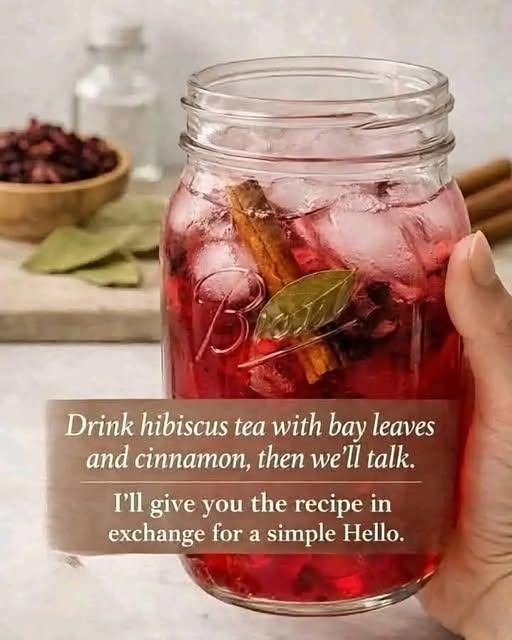
There’s something special about enjoying a homemade drink that feels both refreshing and comforting. Hibiscus tea is one of those simple little pleasures that can turn an ordinary day into something special. With its beautiful deep-red color, slightly tangy flavor, and fruity aroma, it’s a drink that’s as lovely to look at as it is to enjoy.
I first heard about hibiscus tea through a recommendation from a friend who loved making herbal drinks at home. I was curious about its gorgeous ruby-red color and decided to give it a try. After experimenting with honey, lemon, and fresh mint, I found a combination that quickly became one of my favorite homemade drinks.
It’s perfect for slow weekend mornings, relaxing afternoons, or those evenings when you want something different from your usual cup of tea. I especially love serving it chilled during warmer days. My family enjoyed its refreshing taste, and even those who usually prefer traditional tea were pleasantly surprised!
The best part is that hibiscus tea is incredibly easy to prepare. You only need a few ingredients, a saucepan, and about 10 minutes.
Let’s make a delicious cup together!
What Is Hibiscus Tea?
Hibiscus tea is a herbal drink made by steeping dried hibiscus flowers, commonly known as Hibiscus sabdariffa, in hot water.
It has a naturally tart, fruity flavor that is often compared to cranberries. Its vibrant red color comes from naturally occurring plant pigments called anthocyanins.
Unlike traditional black tea, pure hibiscus tea is naturally caffeine-free. You can enjoy it warm or chilled, depending on your preference.
Why You’ll Love This Hibiscus Tea Recipe
-
Quick and easy: Ready in approximately 10 minutes.
-
Naturally caffeine-free: A lovely alternative to regular tea and coffee.
-
Beautiful color: Its rich ruby-red appearance makes it perfect for serving.
-
Customizable: Add honey, lemon, ginger, or mint to create your favorite flavor.
-
Hot or cold: Enjoy it throughout the year.
-
Budget-friendly: Requires only a few simple ingredients.
Ingredients You’ll Need
The ingredients for this homemade hibiscus tea are simple and easy to find.
|
Ingredient |
Quantity |
|---|---|
|
Dried hibiscus flowers |
2 tablespoons |
|
Water |
2 cups |
|
Honey |
1–2 teaspoons |
|
Fresh lemon juice |
1 tablespoon |
|
Fresh mint leaves |
4–5 leaves |
|
Fresh ginger (optional) |
2–3 slices |
Ingredient notes:
-
Dried hibiscus flowers are the main ingredient. Choose good-quality, food-grade dried flowers.
-
Honey adds natural sweetness and balances the tart flavor.
-
Fresh lemon juice gives the tea a pleasant citrusy taste.
-
Mint adds a refreshing aroma.
-
Ginger is optional but delicious if you enjoy a slightly spicy flavor.
How to Make Hibiscus Tea
Follow these easy steps to prepare delicious homemade hibiscus tea.
Step 1: Boil the Water
Pour 2 cups of water into a small saucepan and bring it to a boil over medium heat.
If you’re using fresh ginger, add the slices to the water while it heats. This allows the ginger flavor to infuse into the tea.
Step 2: Add the Dried Hibiscus Flowers
Once the water starts boiling, turn off the heat and add the dried hibiscus flowers.
You’ll notice the water quickly changing into a beautiful deep-red color. This is what makes hibiscus tea so visually appealing!
Step 3: Let the Tea Steep
Cover the saucepan and allow the flowers to steep for 5–10 minutes.
If you prefer a lighter flavor, 5 minutes is usually enough. For a stronger, more tangy taste, let it steep closer to 10 minutes.
Avoid steeping for too long, as the flavor can become overly tart.
Step 4: Strain the Tea
Place a fine-mesh strainer over a teapot or heat-safe jug.
Carefully pour the tea through the strainer to remove the hibiscus flowers and ginger slices.
Step 5: Add Honey and Lemon
While the tea is still warm, add honey and fresh lemon juice.
Stir well until the honey dissolves completely.
Taste the tea and adjust the sweetness according to your preference.
Step 6: Garnish and Serve
Add a few fresh mint leaves for extra freshness.
Pour the tea into your favorite cup and enjoy it warm.
If you prefer iced hibiscus tea, allow it to cool completely, refrigerate it, and serve over ice with lemon slices and fresh mint.
Your homemade hibiscus tea is ready!
Tips for Making the Best Hibiscus Tea
A few small tricks can make a big difference in the final flavor.
-
Use food-grade dried hibiscus flowers for the best results.
-
Avoid boiling the flowers for a long time. Steeping them in hot water is enough.
-
Adjust the steeping time depending on how strong you like your tea.
-
Add honey gradually so the drink doesn’t become too sweet.
-
Use freshly squeezed lemon juice instead of bottled lemon juice.
-
If preparing iced tea, make it slightly stronger because the ice will dilute the flavor.
-
Add mint just before serving for a fresher aroma.
Different Ways to Enjoy Hibiscus Tea
One thing I love about this recipe is how easy it is to customize. You can experiment with different ingredients depending on your mood.
1. Honey Hibiscus Tea
Add an extra teaspoon of honey for a naturally sweeter drink. This is perfect if you find the original tea too tart.
2. Ginger Hibiscus Tea
Add fresh ginger slices while heating the water. Ginger gives the tea a warm, slightly spicy flavor.
3. Lemon Hibiscus Tea
Add extra fresh lemon juice for a bright, citrusy taste. This version is especially refreshing when served cold.
4. Mint Hibiscus Tea
Add fresh mint leaves before serving. The mint creates a cooling flavor that works beautifully with hibiscus.
5. Iced Hibiscus Tea
Prepare the tea as usual, allow it to cool, and pour it over ice. Garnish with lemon slices and mint for a refreshing summer drink.
Health Benefits of Hibiscus Tea
Hibiscus tea is popular for its refreshing taste and naturally occurring plant compounds. Here are some potential benefits:
-
Rich in antioxidants: Hibiscus contains anthocyanins and other polyphenols that help protect cells against oxidative stress.
-
May support healthy blood pressure: Some research suggests hibiscus tea may modestly reduce blood pressure in certain adults.
-
Naturally caffeine-free: Pure hibiscus tea provides a flavorful drink without caffeine.
-
Low in calories: Unsweetened hibiscus tea is a low-calorie alternative to sugary beverages.
-
Contains beneficial plant compounds: Its natural pigments and polyphenols contribute to its nutritional appeal.
Important note: Hibiscus tea is not a medicine or a replacement for prescribed treatment. It may lower blood pressure and interact with certain medications. People with low blood pressure, those taking blood-pressure medication, and pregnant or breastfeeding individuals should consult a healthcare professional before consuming it regularly.
Nutritional Information
Here is the estimated nutritional breakdown for one serving of hibiscus tea.
The recipe makes approximately 2 servings, with 1 teaspoon of honey per serving.
|
Nutrient |
Amount per serving |
|---|---|
|
Calories |
25 kcal |
|
Carbohydrates |
6 g |
|
Protein |
0 g |
|
Total Fat |
0 g |
|
Saturated Fat |
0 g |
|
Fiber |
0 g |
|
Sugar |
6 g |
|
Sodium |
2 mg |
Nutrition values are approximate and may vary depending on the ingredients and quantities used. Unsweetened hibiscus tea contains fewer calories.
What to Serve With Hibiscus Tea
Hibiscus tea pairs wonderfully with light snacks and homemade treats.
Here are a few ideas:
-
Homemade biscuits or cookies.
-
Toast with butter and jam.
-
Fresh fruit or fruit salad.
-
Sandwiches and light wraps.
-
Homemade muffins.
-
Light breakfast pastries.
For an afternoon gathering, I love the idea of serving a chilled pitcher of hibiscus tea alongside cookies or small sandwiches.
How to Store Hibiscus Tea
If you prepare more tea than you need, you can easily save the leftovers.
-
Allow the tea to cool completely.
-
Transfer it to a clean, airtight glass bottle or container.
-
Store it in the refrigerator.
-
Enjoy it within 3–4 days.
-
Add fresh lemon, mint, and ice just before serving.
Avoid leaving prepared tea at room temperature for extended periods.
Frequently Asked Questions
1. Is hibiscus tea caffeine-free?
Yes! Pure hibiscus tea is naturally caffeine-free. However, check the ingredients if you’re buying a blended herbal tea, as it may contain caffeinated ingredients.
2. Can I drink hibiscus tea every day?
Many healthy adults can enjoy moderate amounts. However, hibiscus may affect blood pressure and interact with certain medications. Ask your healthcare professional if you have underlying health conditions or take regular medication.
3. Can I drink hibiscus tea at night?
Yes, pure hibiscus tea contains no caffeine, so it can be enjoyed in the evening. However, individual responses may vary.
4. Can I make hibiscus tea without honey?
Absolutely! Honey is optional. You can enjoy hibiscus tea without any sweetener or use another sweetener of your choice.
5. Why is my hibiscus tea so sour?
Hibiscus naturally has a tart flavor. Try reducing the steeping time or adding a little honey to balance the taste.
6. Can I use fresh hibiscus flowers?
Yes, provided they are an edible hibiscus variety and are free from pesticides. The flavor may differ from dried flowers, so adjust the quantity according to taste.
7. Can I prepare hibiscus tea in advance?
Definitely! Prepare a larger batch, allow it to cool, and refrigerate it in an airtight container for up to 3–4 days.
Final Thoughts
Hibiscus tea is one of those simple homemade drinks that reminds me that delicious things don’t always have to be complicated. With just a handful of ingredients, you can prepare something colorful, refreshing, and full of flavor.