Fresh Beetroot Juice Recipe – Healthy, Refreshing, and Naturally Delicious
If you’re looking for a refreshing homemade drink that’s colorful, delicious, and easy to prepare, fresh beetroot juice is a wonderful choice! With its beautiful deep red color, naturally earthy sweetness, and impressive nutritional value, beetroot juice is a simple way to add more vegetables to your daily routine.
I love recipes that use fresh, everyday ingredients and don’t require too much effort. Beetroot juice is one of those drinks that can turn a few simple ingredients into something special. Whether you’re enjoying it in the morning, serving it with breakfast, or preparing a refreshing drink for your family on a warm afternoon, it’s always a lovely option.
The first time I tried making beetroot juice at home, I wanted to balance its earthy flavor with something naturally sweet and refreshing. Adding fresh apple, lemon, and a little ginger made a wonderful difference. The result was a vibrant drink with a pleasant combination of sweetness, citrus, and a gentle spicy kick.
It’s also a recipe you can easily customize depending on your taste. Some days I prefer simple beetroot juice, while other times I enjoy adding carrots or oranges for extra flavor.
If you’ve never made fresh beetroot juice before, this easy recipe is a great place to start!
What Is Beetroot Juice?
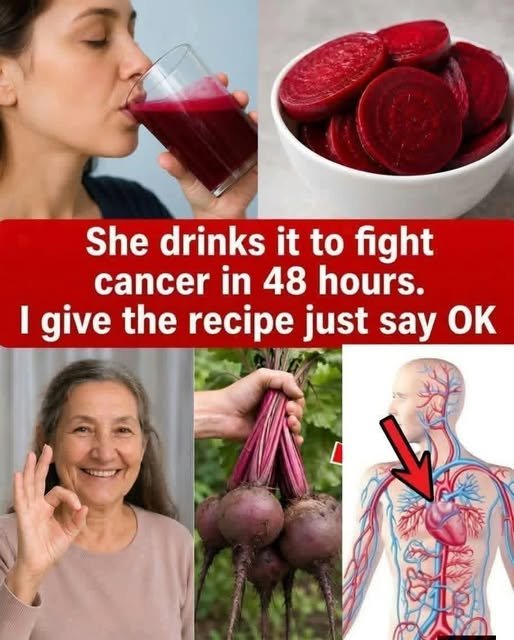
Beetroot juice is a naturally colorful drink prepared by extracting juice from fresh beetroots, also known as red beets.
Beetroots are root vegetables known for their deep red-purple color and earthy, slightly sweet flavor. They contain important nutrients, including folate, potassium, manganese, vitamin C, and natural plant compounds called betalains.
One interesting feature of beetroot is its naturally occurring nitrate content. The body can convert dietary nitrates into nitric oxide, a compound that helps relax blood vessels and supports healthy blood circulation.
This is one reason beetroot juice has attracted interest in nutrition and cardiovascular health research.
Why You’ll Love This Beetroot Juice Recipe
- Easy to prepare: You only need a few fresh ingredients.
- Naturally colorful: Its beautiful red color makes every glass look appealing.
- Refreshing flavor: Apple and lemon help balance beetroot’s earthy taste.
- Nutrient-rich: Contains folate, potassium, and beneficial plant compounds.
- Customizable: You can adjust the ingredients according to your preferences.
- Perfect for breakfast: A refreshing addition to your morning routine.
- No artificial colors: Its vibrant color comes naturally from beetroot.
Preparation and Cooking Time
| Details | Time |
|---|---|
| Preparation time | 10 minutes |
| Blending time | 2–3 minutes |
| Total time | 12–13 minutes |
| Servings | 2 glasses |
| Difficulty | Easy |
Ingredients for Fresh Beetroot Juice
You don’t need many ingredients to make this refreshing homemade drink.
| Ingredient | Quantity |
|---|---|
| Fresh medium beetroot | 1 |
| Red or green apple | 1 medium |
| Fresh lemon juice | 1 tablespoon |
| Fresh ginger | ½ inch piece |
| Cold water | 1 cup |
| Honey | 1 teaspoon (optional) |
| Ice cubes | As needed |
My little tip: If you’re new to beetroot juice, start with one small beetroot and one sweet apple. The apple helps balance the earthy flavor and makes the drink more enjoyable.
How to Make Beetroot Juice Step by Step
Step 1: Wash and Prepare the Ingredients
Start by washing the beetroot, apple, and ginger thoroughly under running water.
Peel the beetroot if you prefer a smoother juice, although peeling is optional when the skin has been thoroughly cleaned.
Cut the beetroot and apple into small pieces so they blend more easily.
Remove the apple seeds and core before using it.
Step 2: Add Everything to the Blender
Place the chopped beetroot, apple, and ginger into a blender.
Add one cup of cold water and blend everything until smooth.
You may need to stop the blender once or twice to scrape down the sides and help the ingredients blend evenly.
Step 3: Strain the Juice
Place a fine-mesh strainer over a large bowl or jug.
Pour the blended mixture through the strainer and gently press with a spoon to extract the liquid.
If you enjoy extra fiber and a thicker texture, you can skip straining and drink it as a smoothie instead.
Step 4: Add Lemon Juice
Add fresh lemon juice to the prepared beetroot juice.
Stir well and taste the mixture.
If you prefer a sweeter drink, add a small amount of honey. You can also adjust the consistency by adding more cold water.
Step 5: Serve Chilled
Pour the fresh beetroot juice into two glasses.
Add ice cubes if desired and serve immediately.
Your homemade beetroot juice is ready!
The beautiful color, refreshing citrus flavor, and natural sweetness make this drink a lovely addition to your day.
Health Benefits of Beetroot Juice
Beetroot is more than just a colorful vegetable. It contains several nutrients and plant compounds that have been studied for their potential health benefits.
1. May Support Healthy Blood Pressure
One of the most researched benefits of beetroot juice is its potential effect on blood pressure.
Beetroot naturally contains dietary nitrates. After consumption, these nitrates can be converted into nitric oxide in the body.
Nitric oxide helps relax blood vessels, which may improve blood flow and support healthy blood pressure.
Some clinical studies suggest that drinking beetroot juice can produce a modest reduction in blood pressure in certain adults.
However, beetroot juice should not replace prescribed blood pressure medication.
2. Supports Heart Health
Beetroot contains potassium, folate, and antioxidant compounds that contribute to overall nutritional health.
Its natural nitrate content may also support healthy circulation by helping blood vessels relax.
Including beetroot in a balanced diet is one simple way to increase your intake of vegetables and beneficial plant compounds.
3. May Improve Exercise Performance
Beetroot juice has become popular among athletes and fitness enthusiasts because of its dietary nitrate content.
Nitric oxide helps support blood flow and may improve the efficiency of oxygen use during certain types of physical activity.
Some research suggests that beetroot juice may help improve endurance performance, although the effects vary between individuals and activities.
4. Provides Antioxidants
The deep red color of beetroot comes from natural pigments called betalains.
These compounds have antioxidant properties and help protect cells from oxidative stress.
Beetroot also contains other plant compounds that contribute to its nutritional value.
5. Supports Digestive Health
Whole beetroot contains dietary fiber, which supports normal digestion and bowel movements.
However, an important thing to remember is that juicing removes much of the fiber.
If you want to get more fiber from beetroot, consider blending it into a smoothie without straining or eating it cooked as part of your meals.
6. Provides Important Nutrients
Beetroot contains folate, manganese, potassium, and other nutrients needed for normal body functions.
Folate is especially important for normal cell division and red blood cell formation.
Beetroot juice can contribute to your nutrient intake, but it should not be considered a treatment for anemia or a replacement for iron-rich foods.
Delicious Beetroot Juice Variations
One of my favorite things about homemade beetroot juice is how easily you can change its flavor.
Here are a few combinations worth trying.
1. Beetroot and Carrot Juice
Combine one small beetroot with one carrot and one apple. Add cold water and blend until smooth.
This combination creates a naturally sweet and refreshing drink.
2. Beetroot and Orange Juice
Add one peeled orange to your beetroot before blending.
The citrus flavor balances the earthy taste of beetroot beautifully.
3. Beetroot and Ginger Juice
Add a little extra fresh ginger and lemon juice for a refreshing drink with a gentle spicy flavor.
4. Beetroot and Cucumber Juice
Combine beetroot with half a cucumber and a little lemon juice.
This is a light and refreshing option, especially during warm weather.
5. Beetroot and Pineapple Juice
Add a few pineapple chunks to your beetroot and blend with cold water.
The natural sweetness of pineapple makes this combination particularly delicious.
Fresh Beetroot Juice vs. Beetroot Smoothie
Both options can be nutritious, but they have different textures and nutritional characteristics.
| Feature | Beetroot Juice | Beetroot Smoothie |
|---|---|---|
| Texture | Light and smooth | Thick and creamy |
| Fiber | Lower if strained | Higher if unstrained |
| Preparation | Blended and strained | Blended only |
| Satiety | Generally less filling | Generally more filling |
| Best for | A refreshing drink | A more filling snack |
If you’re trying to increase your fiber intake, an unstrained beetroot smoothie is generally the better choice.
Best Time to Drink Beetroot Juice
There is no single perfect time for everyone to enjoy beetroot juice.
You can drink it:
- In the morning with breakfast.
- During the day as a refreshing drink.
- Before exercise if you’re interested in its potential nitrate-related performance benefits.
- Alongside a balanced meal.
If you’re drinking beetroot juice for exercise performance, research often uses a serving approximately 2–3 hours before activity. However, the appropriate amount and response can vary.
How to Store Fresh Beetroot Juice
Fresh beetroot juice tastes best when prepared and consumed immediately.
If you have leftovers:
- Transfer the juice into a clean, airtight glass container.
- Refrigerate immediately.
- Ideally consume within 24 hours.
- Keep the container tightly closed.
- Shake well before drinking because natural separation can occur.
Avoid leaving freshly prepared juice at room temperature for extended periods.
Who Should Be Careful With Beetroot Juice?
Although beetroot is generally safe for most people, some individuals should be mindful of their intake.
- People prone to kidney stones: Beetroot contains oxalates, which may be relevant for people who form calcium oxalate stones.
- People with low blood pressure: Its nitrate content may contribute to lowering blood pressure further.
- People with kidney disease: Individual potassium and dietary requirements may need to be considered.
- People taking blood pressure medication: Discuss regular concentrated beetroot juice consumption with a healthcare professional.
- People with diabetes: Whole beetroot and unsweetened juice can fit into a balanced eating plan, but portion size and carbohydrate intake matter.
One harmless effect worth knowing about is beeturia, where beetroot can temporarily turn urine or stool pink or reddish. This can happen after eating or drinking beetroot and is usually harmless.
Nutritional Information
Here is an approximate nutritional breakdown for one serving, assuming the recipe makes two glasses and includes beetroot, apple, lemon, ginger, and water without optional honey.
| Nutrient | Amount per serving |
|---|---|
| Calories | 75 kcal |
| Carbohydrates | 18 g |
| Protein | 1.5 g |
| Total fat | 0.3 g |
| Saturated fat | 0.05 g |
| Dietary fiber | 2 g |
| Total sugars | 13 g |
| Potassium | 340 mg |
| Vitamin C | 6 mg |
| Folate | 65 mcg |
| Iron | 0.5 mg |
| Sodium | 35 mg |
Nutrition values are estimates and can vary depending on the size of the beetroot, apple variety, and whether the juice is strained. Straining may reduce the fiber content.
Frequently Asked Questions
1. Can I drink beetroot juice every day?
Many healthy adults can enjoy moderate amounts of beetroot juice regularly. However, individual needs vary, particularly for people with kidney stones, kidney disease, or low blood pressure.
2. Does beetroot juice help lower blood pressure?
Some studies suggest that beetroot juice may modestly reduce blood pressure because of its natural nitrate content. However, it should never replace prescribed treatment.
3. Is beetroot juice good for anemia?
Beetroot contains some iron and folate, but it is not a particularly rich source of iron. It should not be relied upon to treat iron-deficiency anemia.
4. Should I boil beetroot before making juice?
No. Fresh raw beetroot can be washed, peeled if desired, chopped, and blended directly. You can also use cooked beetroot for a milder flavor.
5. Can I make beetroot juice without a juicer?
Absolutely! A regular kitchen blender works perfectly. Blend the ingredients with water and strain the mixture if you prefer a smooth juice.
6. Can I drink beetroot juice on an empty stomach?
Yes, if you tolerate it comfortably. However, there is no strong evidence that drinking it on an empty stomach provides special health benefits.
7. Does beetroot juice contain a lot of sugar?
Beetroot contains natural carbohydrates and sugars. Adding apples, oranges, or honey increases the sugar content. You can adjust the recipe according to your dietary needs.
8. Can beetroot juice improve exercise performance?
It may help improve endurance in some people because dietary nitrates support nitric oxide production. Results vary, and it is not a substitute for proper training and nutrition.
Final Thoughts
Fresh beetroot juice is one of those simple homemade drinks that combines beautiful color, refreshing flavor, and valuable nutrients in one glass.
What I love most about this recipe is how easy it is to customize. You can keep it simple with beetroot and lemon or add apple, ginger, carrots, or oranges for a different flavor every time.