Beetroot Juice for Colon Health and Weight Management – A Refreshing Homemade Recipe
Sometimes, the simplest homemade drinks become our favorite part of a healthy routine. Beetroot juice is one of those drinks I love because of its beautiful color, naturally sweet flavor, and the goodness of fresh ingredients.
I became more interested in beetroot juice when a family member suggested adding it to our regular diet for better digestive health. I started experimenting with different combinations, adding apple, cucumber, lemon, and a little ginger to make the flavor more enjoyable.
What I particularly like about this combination is that it brings together ingredients containing fiber, water, vitamins, and beneficial plant compounds. It’s a refreshing option when I’m trying to eat lighter and include more vegetables in my daily meals.
If you’re looking for a homemade beetroot juice recipe to support digestive health, regular bowel movements, and a balanced weight-management routine, this recipe is worth trying.
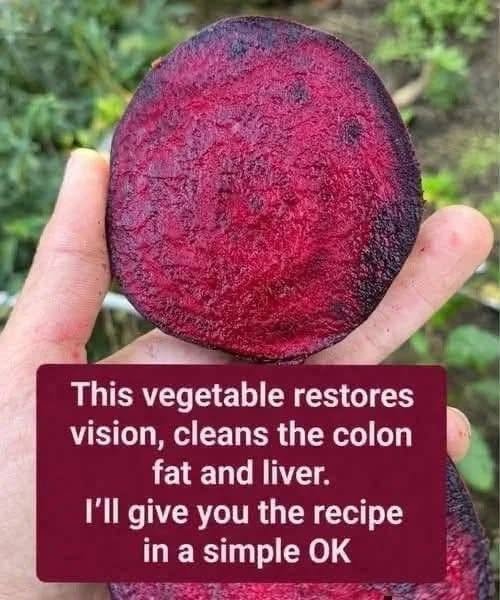
One important thing to remember: beetroot juice does not clean the colon, melt belly fat, or remove toxins. However, whole beetroot and other fiber-rich foods can support normal digestion, while a balanced diet and regular physical activity are important for managing body weight.
Why You’ll Love This Beetroot Juice Recipe
-
Made with simple, fresh ingredients.
-
Naturally colorful and refreshing.
-
Contains plant nutrients and antioxidants.
-
Includes ingredients that contribute to digestive health.
-
Easy to prepare at home.
-
No refined sugar is needed.
-
A delicious addition to a balanced eating routine.
Ingredients You’ll Need
Preparation time: 10 minutes
Servings: 2 glasses
-
1 medium fresh beetroot
-
1 small cucumber
-
1 medium apple
-
½ lemon
-
½ inch fresh ginger
-
1 cup cold water
-
3–4 fresh mint leaves (optional)
-
Ice cubes (optional)
Why these ingredients?
-
Beetroot: Contains dietary nitrates, folate, potassium, and natural plant pigments.
-
Cucumber: Adds water and makes the juice refreshing.
-
Apple: Provides natural sweetness and some fiber if blended without straining.
-
Lemon: Adds vitamin C and a refreshing citrus flavor.
-
Ginger: Gives the drink a pleasant, slightly spicy taste.
How to Make Beetroot Juice for Digestive Health
Step 1: Wash the Ingredients
Wash the beetroot, cucumber, and apple thoroughly under running water.
Peel the beetroot if desired, remove the apple core, and cut everything into small pieces.
Step 2: Prepare the Ginger and Lemon
Peel the ginger and cut it into small pieces.
Squeeze the juice from half a lemon and remove any seeds.
Step 3: Add Everything to the Blender
Place the beetroot, cucumber, apple, ginger, and mint leaves into your blender.
Add one cup of cold water.
Step 4: Blend Until Smooth
Blend everything for approximately 1–2 minutes until you get a smooth, vibrant red mixture.
Add a little more water if you prefer a thinner consistency.
Step 5: Add Lemon Juice
Pour in the freshly squeezed lemon juice and blend briefly or stir well.
Taste the juice. The apple should provide enough natural sweetness.
Step 6: Serve Fresh
Pour into two glasses and add ice cubes if desired.
For digestive health, I recommend keeping the pulp rather than straining it because straining removes much of the dietary fiber.
Enjoy your fresh homemade beetroot drink!
How Does Beetroot Juice Support Colon Health?
Your colon plays an important role in digestion and bowel movements. Eating enough fiber, drinking adequate fluids, and staying physically active all help support normal bowel function.
Here is how the ingredients in this recipe contribute:
1. Dietary Fiber for Regular Bowel Movements
Whole beetroot and apples contain dietary fiber. Fiber helps add bulk to stool and supports regular bowel movements.
However, remember that blending and straining are different. If you strain the juice, much of the fiber stays behind in the pulp.
2. Hydration for Digestive Health
Cucumber and water contribute to fluid intake. Staying hydrated is particularly important when increasing dietary fiber because fluids help fiber work properly.
3. Plant Compounds and Antioxidants
Beetroot contains betalains, which are natural pigments with antioxidant properties. Apples and other vegetables also provide beneficial plant compounds.
4. Supporting a Healthy Eating Routine
Including different fruits and vegetables in your meals helps provide the variety of nutrients and fiber needed for overall digestive health.
Important: Beetroot juice is not a colon cleanse and cannot remove accumulated waste, parasites, or toxins from your intestines.
Can Beetroot Juice Help Reduce Belly Fat?
This is one of the most common questions people ask about beetroot juice.
The honest answer is that beetroot juice does not directly burn belly fat or target fat around the waist.
However, this homemade drink can fit into a weight-management routine when used instead of sugary drinks.
Here are a few helpful habits:
-
Replace sugary beverages with water or unsweetened homemade drinks.
-
Eat whole fruits and vegetables regularly.
-
Include protein-rich foods in your meals.
-
Choose whole grains and fiber-rich foods.
-
Walk regularly and include physical activity you enjoy.
-
Get enough sleep and maintain consistent eating habits.
If your goal is reducing overall body fat, consistency with these habits matters much more than drinking one particular juice.
Best Way to Include Beetroot Juice in Your Routine
You don’t need to drink beetroot juice at a particular time or on an empty stomach.
Here is a simple way to enjoy it:
|
Time |
Suggestion |
|---|---|
|
Breakfast |
Enjoy a small glass alongside a balanced breakfast |
|
Afternoon |
Drink it as a refreshing alternative to sugary beverages |
|
With lunch |
Serve it with a balanced meal |
|
Evening |
Choose water if you’ve already had enough juice |
Start with a small serving, such as ½ glass, to see how your body responds.
Nutritional Information
Approximate values per serving, assuming two servings and retaining all the pulp.
|
Nutrient |
Amount |
|---|---|
|
Calories |
85 kcal |
|
Carbohydrates |
21 g |
|
Protein |
2 g |
|
Total Fat |
0.4 g |
|
Dietary Fiber |
4 g |
|
Natural Sugars |
14 g |
|
Potassium |
350 mg |
|
Vitamin C |
15 mg |
|
Folate |
65 mcg |
|
Sodium |
35 mg |
Values are estimates and vary with ingredient sizes and preparation. Straining will reduce the fiber content.
Important Precautions Before Drinking Beetroot Juice
Although beetroot is a nutritious vegetable, a few precautions are worth remembering.
-
Kidney stones: Beetroot contains oxalates. People with a history of calcium oxalate kidney stones should ask their healthcare professional about suitable portions.
-
Low blood pressure: Beetroot nitrates may lower blood pressure. Be cautious if you already have low blood pressure or take blood-pressure medication.
-
Digestive sensitivity: Large amounts may cause bloating or stomach discomfort in some people.
-
Blood sugar: Beetroot and apples contain natural carbohydrates and sugars. If you have diabetes, consider portion sizes and your overall carbohydrate intake.
-
Red urine or stool: Beetroot can temporarily cause a reddish color, but unexplained or persistent blood-like discoloration should be medically assessed.
Frequently Asked Questions
1. Does beetroot juice clean the colon?
No. Beetroot juice does not physically clean or detoxify the colon. Your digestive system naturally eliminates waste. Fiber-rich foods, hydration, and regular bowel habits support normal colon function.
2. Can beetroot juice remove belly fat?
No single juice can specifically remove belly fat. Weight management requires an overall healthy eating pattern, appropriate calorie intake, physical activity, and consistency.
3. Should I strain beetroot juice?
If your goal is to retain as much fiber as possible, avoid straining it. Blending whole ingredients and drinking the pulp provides more fiber than drinking filtered juice.
4. Can I drink beetroot juice every morning?
Many people can enjoy a moderate serving regularly, but daily consumption isn’t necessary. Variety in fruits and vegetables is more important than relying on one drink.
5. Is beetroot juice good for constipation?
Whole beetroot contains fiber, which can help support regular bowel movements. However, strained beetroot juice contains much less fiber. Drinking enough water and eating a variety of fiber-rich foods are also important.
6. How long does it take to see results?
There is no guaranteed timeline for digestive or weight-related results. Changes in bowel habits depend on your overall diet, fluid intake, activity, and individual health.
7. Can I drink beetroot juice at night?
Yes, you can drink it in the evening if it suits your digestion. There is no special nighttime fat-burning benefit.
Final Thoughts
Beetroot juice is a simple, colorful, and refreshing way to add more vegetables and plant nutrients to your everyday routine. I especially like combining beetroot with apple, cucumber, lemon, and ginger because the flavors balance beautifully.
If you’re focusing on colon health, remember that keeping the pulp, eating whole fruits and vegetables, drinking enough water, and getting sufficient fiber are more helpful than relying on juice alone.
And if your goal is reducing body fat, think of this drink as one small part of a healthy lifestyle rather than a fat-burning solution.