
Pumpkin: Its Benefits for Heart Health, Cholesterol and Blood Sugar
Pumpkin is one of those simple, colorful vegetables that deserves a regular place in our kitchens. It is affordable, versatile, naturally delicious, and packed with nutrients that can support overall health. Whether you enjoy it in soups, curries, roasted dishes, or homemade smoothies, pumpkin offers much more than its lovely taste and bright orange color.
I have always liked ingredients that make everyday meals both comforting and nutritious. Pumpkin is one of my favorites because it can be turned into so many delicious dishes without requiring expensive ingredients. A warm bowl of pumpkin soup on a chilly evening or a simple homemade pumpkin curry with fresh herbs can make an ordinary meal feel special.
What makes pumpkin particularly interesting is its nutritional value. It contains fiber, potassium, antioxidants, and beta-carotene, a plant compound that the body can convert into vitamin A. These nutrients may contribute to heart health, healthy cholesterol levels, and better blood sugar management when pumpkin is included as part of a balanced diet.
Let’s explore why this humble vegetable deserves more attention and how adding it to your meals may benefit your health.
What Makes Pumpkin So Healthy?
Pumpkin is a nutrient-rich vegetable with a high water content and relatively few calories. Its orange color comes largely from carotenoids, including beta-carotene, which acts as an antioxidant.
Some of the important nutrients found in pumpkin include:
- Beta-carotene: An antioxidant that the body can convert into vitamin A.
- Dietary fiber: Supports digestion and may help with cholesterol and blood sugar management.
- Potassium: Helps maintain normal blood pressure and supports healthy muscle function.
- Vitamin C: Supports normal immune function and protects cells from oxidative damage.
- Vitamin E: Helps protect cells from oxidative stress.
- Magnesium: Supports normal muscle, nerve, and metabolic functions.
Pumpkin seeds are nutritious too. They contain protein, magnesium, zinc, and unsaturated fats, making them a useful addition to a balanced diet.
1. Pumpkin and Heart Health
Taking care of your heart does not always require complicated meals or expensive ingredients. Sometimes, including more vegetables in your everyday diet can be a simple starting point.
Pumpkin contains potassium, fiber, and antioxidant compounds that can contribute to a heart-friendly eating pattern.
How Pumpkin May Support Your Heart
Rich in potassium
Potassium helps balance sodium levels in the body and supports healthy blood pressure. Eating potassium-rich foods as part of a balanced diet may help maintain normal blood pressure.
Contains antioxidants
Pumpkin provides beta-carotene and other carotenoids. These compounds help protect cells against oxidative stress, which is involved in several chronic health conditions.
Naturally low in fat
Plain pumpkin flesh contains very little fat and is relatively low in calories. Replacing some high-calorie, heavily processed foods with vegetables such as pumpkin can support an overall heart-healthy diet.
Supports a balanced diet
Pumpkin can easily replace some less nutritious ingredients in soups, sauces, and side dishes. This makes it easier to include more vegetables in everyday meals.
2. Can Pumpkin Help Lower Cholesterol?
High cholesterol is a common health concern, and food choices can play an important role in managing it.
Pumpkin contains dietary fiber, although the amount in its flesh is relatively modest. Fiber contributes to digestive health, and certain types of soluble fiber can help reduce the absorption of cholesterol in the digestive system.
How Pumpkin May Help With Cholesterol Management
- Provides dietary fiber: Fiber contributes to a healthy digestive system and can support cholesterol management as part of a fiber-rich diet.
- Contains antioxidants: Carotenoids help protect cells from oxidative damage.
- Low in saturated fat: Plain pumpkin is naturally very low in saturated fat.
- Helps with healthier food choices: Pumpkin can replace richer ingredients in soups, sauces, and side dishes.
What About Pumpkin Seeds?
Pumpkin seeds deserve special attention because they contain healthy unsaturated fats, plant sterols, magnesium, and fiber.
These nutrients make pumpkin seeds a nutritious addition to a heart-conscious eating pattern. However, research suggesting cholesterol-lowering effects from pumpkin seed products is still developing, and they should not be considered a replacement for cholesterol medication or medical advice.
For a simple snack, try adding a small handful of unsalted pumpkin seeds to yogurt, oatmeal, or salads.
3. Pumpkin and Blood Sugar Management
People who are trying to manage their blood sugar often pay close attention to the carbohydrates in their meals. Pumpkin can be a useful vegetable to include because plain pumpkin is relatively low in calories and provides some fiber.
However, portion size and preparation methods still matter.
Why Pumpkin May Be a Good Choice
Contains fiber
Dietary fiber can slow digestion and help moderate the rise in blood glucose after meals.
Relatively low in calories
Plain pumpkin can add volume and flavor to meals without adding many calories.
Can replace less nutritious ingredients
Using pumpkin in soups, vegetable dishes, and homemade sauces can help create satisfying meals without relying on heavy cream, excess butter, or added sugar.
Provides beneficial plant compounds
Pumpkin contains carotenoids and other plant compounds that are being studied for their potential metabolic benefits.
Is Pumpkin Safe for People With Diabetes?
In general, plain pumpkin can fit into a diabetes-friendly eating plan. However, it still contains carbohydrates, so portion sizes should be considered.
Avoid assuming that all pumpkin products are equally healthy. Pumpkin pie filling, sweetened pumpkin drinks, desserts, and heavily sweetened pumpkin recipes can contain considerable amounts of added sugar.
A 2026 systematic review of nine controlled clinical trials found that research into pumpkin and blood sugar management is promising but inconsistent. More high-quality, long-term human studies are needed before pumpkin can be recommended as a treatment for diabetes.
Important: Pumpkin is a food, not a diabetes medication. People with diabetes should continue following their prescribed treatment and monitoring plan.
4. Pumpkin May Support Healthy Digestion
Another reason to enjoy pumpkin is its contribution to digestive health.
Pumpkin contains water and dietary fiber, both of which are important for maintaining normal bowel movements.
Including vegetables such as pumpkin in your meals may help:
- Support regular digestion.
- Increase your overall fiber intake.
- Add moisture and volume to meals.
- Support a healthy digestive routine.
If you are increasing your fiber intake, do it gradually and drink enough water throughout the day.
5. Pumpkin Supports Eye Health
Pumpkin is particularly well known for its beta-carotene content.
The body converts beta-carotene into vitamin A, which is essential for normal vision, particularly in low-light conditions.
Vitamin A also helps maintain the normal function of the cornea and other eye tissues.
Including pumpkin, carrots, sweet potatoes, and other colorful vegetables in your diet is an easy way to increase your intake of carotenoid-rich foods.
6. Pumpkin May Support Immune Function
A healthy immune system depends on several nutrients, and pumpkin provides some of them.
It contains vitamin A precursors, vitamin C, and other antioxidant compounds that contribute to normal immune function.
Vitamin A helps maintain the health of the skin and the protective lining of the respiratory and digestive systems. Vitamin C supports several normal immune processes.
Remember that no single food can prevent infections or guarantee a strong immune system. A varied diet, adequate sleep, physical activity, and good daily habits are also important.
7. Pumpkin May Help With Weight Management
If you’re trying to maintain a healthy weight, pumpkin can be a helpful ingredient in your meals.
Plain pumpkin is relatively low in calories and contains a good amount of water. It can add bulk, flavor, and color to dishes without requiring many extra calories.
Here are a few easy ways to enjoy it:
- Prepare homemade pumpkin soup.
- Add mashed pumpkin to vegetable dishes.
- Roast pumpkin cubes with a little olive oil.
- Mix pumpkin puree into oatmeal.
- Add cooked pumpkin to homemade curries.
Try to avoid turning every pumpkin dish into a sugary dessert. The nutritional benefits are best enjoyed when pumpkin is prepared with balanced ingredients.
Nutritional Information of Pumpkin
Pumpkin is a nutrient-rich food that can easily fit into a balanced eating plan. Here is an approximate nutritional breakdown for one cup of cooked, plain pumpkin (about 245 grams).
|
Nutrient |
Amount |
|---|---|
|
Calories |
50 kcal |
|
Carbohydrates |
12 g |
|
Protein |
2 g |
|
Total fat |
0.2 g |
|
Dietary fiber |
3 g |
|
Natural sugars |
5 g |
|
Potassium |
564 mg |
|
Calcium |
36 mg |
|
Magnesium |
22 mg |
|
Vitamin C |
11 mg |
|
Vitamin A |
245% DV (approx.) |
Values are approximate and may vary depending on the pumpkin variety and cooking method.
Pumpkin vs. Pumpkin Seeds: Which Is Healthier?
Both pumpkin flesh and pumpkin seeds offer nutritional benefits, but their nutritional profiles are different.
|
Nutritional Feature |
Pumpkin Flesh |
Pumpkin Seeds |
|---|---|---|
|
Calories |
Low |
Higher |
|
Fiber |
Some |
Good source |
|
Protein |
Low |
Rich in protein |
|
Healthy fats |
Very little |
Rich in unsaturated fats |
|
Potassium |
Good source |
Contains potassium |
|
Magnesium |
Small amount |
Rich source |
|
Beta-carotene |
Rich source |
Generally low |
My suggestion is to enjoy both! Use pumpkin flesh in soups and curries, and sprinkle unsalted pumpkin seeds over salads, oatmeal, or yogurt.
Healthy Ways to Add Pumpkin to Your Daily Diet
One thing I love about pumpkin is how easily it fits into everyday cooking. You don’t need complicated recipes to enjoy its nutritional benefits.
Here are some simple ideas:
-
Pumpkin soup: Prepare a warm homemade soup with pumpkin, garlic, onions, and black pepper.
-
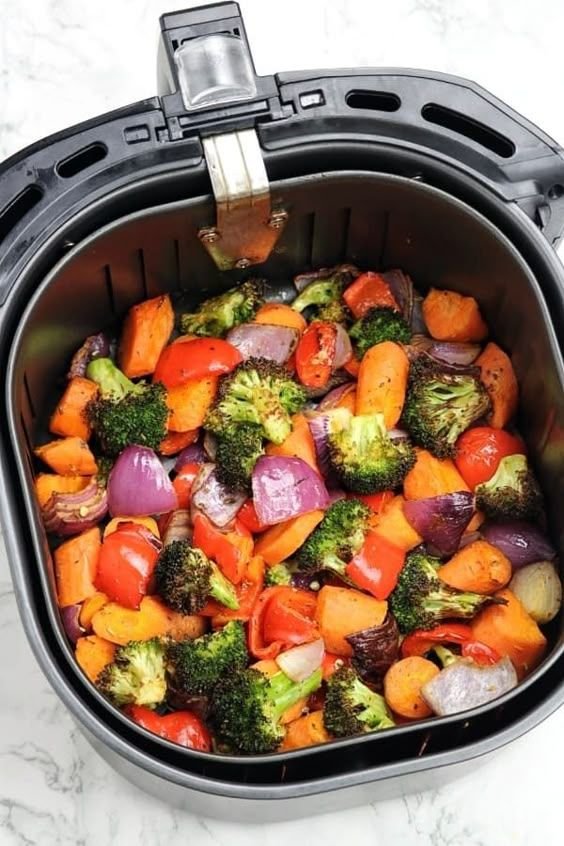
Roasted pumpkin: Cut pumpkin into cubes, add a little olive oil and herbs, and roast until tender.
-
Pumpkin curry: Cook pumpkin with tomatoes, onions, and your favorite spices.
-
Pumpkin smoothie: Blend cooked pumpkin with unsweetened milk and cinnamon.
-
Pumpkin salad: Combine roasted pumpkin with leafy greens and a few pumpkin seeds.
-
Pumpkin oatmeal: Add a little pumpkin puree to plain oatmeal for extra flavor and nutrients.
For people managing blood sugar, choose unsweetened preparations and pay attention to portion sizes.
Who Should Be Careful About Eating Pumpkin?
Pumpkin is generally safe for most people when eaten as part of a balanced diet. However, a few considerations are worth remembering.
-
People with chronic kidney disease or high potassium levels may need to monitor potassium intake.
-
People with diabetes should consider the carbohydrate content and avoid heavily sweetened pumpkin products.
-
Those with pumpkin allergies should avoid it.
-
People taking medication for blood pressure or conditions affecting potassium levels should discuss significant dietary changes with their healthcare professional.
Frequently Asked Questions
1. Is pumpkin good for heart health?
Yes. Pumpkin contains potassium, carotenoids, and some fiber, which can contribute to a heart-healthy diet. However, eating pumpkin alone cannot prevent or treat heart disease.
2. Can pumpkin help reduce bad cholesterol?
Pumpkin contains fiber, but its flesh is not particularly high in soluble fiber. Pumpkin seeds provide unsaturated fats and other beneficial nutrients. Both can be included in a balanced diet that supports healthy cholesterol levels.
3. Is pumpkin good for people with diabetes?
Plain pumpkin can fit into a diabetes-friendly eating plan. It contains carbohydrates, so portion size matters. Avoid sweetened pumpkin desserts and drinks.
4. Can I eat pumpkin every day?
Most people can enjoy pumpkin regularly as part of a varied diet. You can add it to soups, curries, salads, and other homemade dishes.
5. Are pumpkin seeds good for cholesterol?
Pumpkin seeds contain unsaturated fats, plant sterols, and fiber. These nutrients make them a nutritious snack, although their specific cholesterol-lowering effects require more human research.
6. Is boiled pumpkin healthier than fried pumpkin?
Boiled, steamed, and roasted pumpkin are generally good choices. Deep-frying adds extra calories and fat, while heavy sauces and butter can change the nutritional profile.
7. Is pumpkin good for weight loss?
Plain pumpkin is relatively low in calories and contains water and fiber. It can help make meals more satisfying when used instead of higher-calorie ingredients.
8. Which is better, pumpkin or pumpkin seeds?
Both are nutritious. Pumpkin flesh provides beta-carotene and relatively few calories, while pumpkin seeds provide protein, magnesium, and healthy fats. They serve different nutritional purposes.
Final Thoughts
Pumpkin is much more than an ingredient for soups and seasonal desserts. It is an affordable, versatile vegetable that provides several important nutrients and can be a wonderful addition to a healthy eating routine.