
Oregano Leaves: Benefits, Uses, Nutrition, and Easy Homemade Oregano Seasoning
There is something special about the aroma of fresh herbs in the kitchen. Sometimes, a simple ingredient can completely change the taste of an ordinary meal, and oregano leaves are a perfect example. They have a wonderful earthy fragrance with a slightly peppery flavor that makes everything from pizza to pasta taste more delicious.
I first started using oregano more often after a family member suggested adding it to homemade pizza and pasta. I tried it in a few different dishes, and honestly, I loved how such a small amount could make such a big difference. Now, whenever I’m preparing something special on the weekend or simply want to make an everyday meal more flavorful, oregano is one of the herbs I reach for.
If you’ve ever wondered what oregano leaves are, how to use them, or whether they offer any nutritional benefits, you’re in the right place. Today, let’s explore this wonderful herb, its uses, health benefits, nutritional value, and a simple homemade oregano seasoning recipe.
What Are Oregano Leaves?
Oregano is a popular aromatic herb belonging to the mint family. Its scientific name is Origanum vulgare. It is commonly used in Mediterranean, Italian, and Mexican-inspired cooking.
Oregano leaves are small, green, and full of fragrance. They have a slightly bitter, earthy, and peppery taste that pairs beautifully with garlic, tomatoes, olive oil, cheese, and vegetables.
Oregano is available in two common varieties:
-
Fresh oregano: Fresh green leaves with a bright, herbal flavor.
-
Dried oregano: Leaves that have been dried and have a stronger, concentrated flavor.
Both varieties are useful in cooking, and you can choose either depending on your recipe.
Why I Love Using Oregano Leaves
One thing I genuinely appreciate about oregano is how easily it adds flavor to simple homemade meals. You don’t need complicated ingredients or expensive seasonings to make something delicious.
Here are a few reasons to keep oregano in your kitchen:
-
Adds a wonderful aroma to homemade dishes.
-
Makes pizza and pasta sauces more flavorful.
-
Works beautifully in chicken and vegetable marinades.
-
Contains naturally occurring antioxidants.
-
Adds flavor without significantly increasing calories.
-
Is easy to store and use in everyday cooking.
Health Benefits of Oregano Leaves
Oregano is not just a flavorful herb. It also contains naturally occurring plant compounds and nutrients that make it an interesting addition to a balanced diet.
1. Rich in Antioxidant Compounds
Oregano contains several antioxidant compounds, including rosmarinic acid, thymol, and carvacrol. These compounds help protect cells against oxidative damage.
2. Supports Healthy Eating Habits
Adding oregano to homemade meals is a simple way to improve flavor without relying heavily on salt or rich sauces.
3. Contains Natural Plant Compounds
Oregano contains essential oils and other plant compounds that have been studied for their antimicrobial properties. However, culinary oregano should not be considered a replacement for medical treatment.
4. Adds Flavor Without Many Calories
If you enjoy flavorful food but want to keep your meals balanced, oregano is a useful ingredient. Even a small quantity adds plenty of aroma and taste.
5. Provides Vitamins and Minerals
Oregano contains small amounts of nutrients such as vitamin K, vitamin A, calcium, iron, and magnesium. Dried oregano is particularly concentrated in minerals because water has been removed.
Nutritional Value of Oregano Leaves
Oregano provides different nutritional amounts depending on whether it is fresh or dried.
Here is an approximate nutritional breakdown for 100 grams of dried oregano.
|
Nutrient |
Amount |
|---|---|
|
Calories |
265 kcal |
|
Protein |
9 g |
|
Carbohydrates |
69 g |
|
Total Fat |
4.3 g |
|
Dietary Fiber |
42.5 g |
|
Sugar |
4.1 g |
|
Calcium |
1,597 mg |
|
Iron |
36.8 mg |
|
Potassium |
1,260 mg |
|
Magnesium |
270 mg |
|
Vitamin C |
2.3 mg |
|
Vitamin A |
85 µg |
Note: These are approximate values per 100 grams of dried oregano, not a typical serving. Most people use only a small amount when cooking.
How to Use Oregano Leaves in Everyday Cooking
Oregano is one of those herbs that can make ordinary meals feel a little more special. I especially enjoy adding it to tomato-based dishes because its flavor works beautifully with tomatoes and garlic.
Here are some easy ways to use it:
-
Pizza: Sprinkle dried oregano over homemade pizza before baking.
-
Pasta: Add it to tomato sauce for extra flavor.
-
Chicken: Mix oregano with garlic, lemon juice, olive oil, and black pepper for a delicious marinade.
-
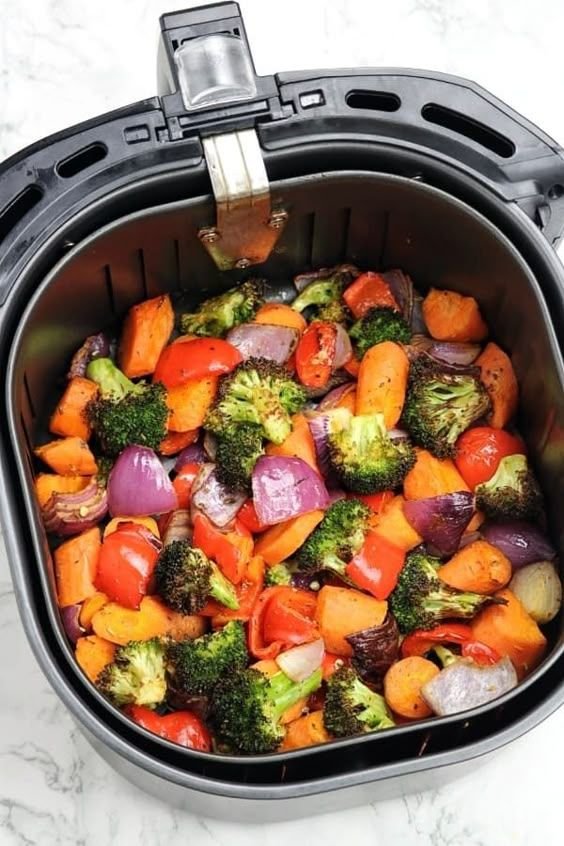
Vegetables: Sprinkle it over potatoes, carrots, and other roasted vegetables.
-
Salads: Add fresh oregano to homemade salad dressings.
-
Soups: Use a little dried oregano in tomato or vegetable soup.
Easy Homemade Oregano Seasoning Recipe
If you love flavorful homemade food, this simple oregano seasoning is worth trying. I like keeping a small jar of homemade seasoning in the kitchen because it makes preparing quick meals much easier.
Preparation Time
5 minutes
Cooking Time
None
Total Time
5 minutes
Ingredients
-
2 tablespoons dried oregano leaves
-
1 tablespoon garlic powder
-
1 tablespoon onion powder
-
1 teaspoon black pepper
-
1 teaspoon paprika
-
½ teaspoon salt
Instructions
-
Take a clean, dry mixing bowl.
-
Add dried oregano leaves, garlic powder, onion powder, black pepper, paprika, and salt.
-
Mix all the ingredients thoroughly until everything is evenly combined.
-
Transfer the seasoning into a clean, airtight glass jar.
-
Store it in a cool, dry place away from direct sunlight.
How to Use This Seasoning
You can sprinkle this homemade oregano seasoning over:
-
Homemade pizza.
-
Pasta and tomato sauces.
-
Grilled or roasted chicken.
-
French fries and potato wedges.
-
Roasted vegetables.
-
Sandwiches and garlic bread.
It’s a simple way to add delicious flavor without spending extra time preparing complicated spice mixtures.
Fresh Oregano vs. Dried Oregano
Both fresh and dried oregano are wonderful, but they have slightly different flavors and uses.
|
Feature |
Fresh Oregano |
Dried Oregano |
|---|---|---|
|
Flavor |
Fresh and herbal |
Strong and earthy |
|
Texture |
Soft green leaves |
Dry and crumbly |
|
Best for |
Salads and garnishing |
Sauces and marinades |
|
Storage |
Refrigerator |
Airtight container |
|
Shelf life |
Several days |
Around 6–12 months for best flavor |
Helpful tip: If your recipe calls for one tablespoon of fresh oregano, you can generally substitute it with one teaspoon of dried oregano.
Tips for Storing Oregano Leaves
Proper storage helps oregano maintain its wonderful fragrance and flavor.
Storing Fresh Oregano
-
Remove damaged or wilted leaves.
-
Make sure the leaves are dry before storing.
-
Wrap them loosely in a paper towel.
-
Place them inside a suitable container in the refrigerator.
-
Use them within several days for the best quality.
Storing Dried Oregano
-
Keep dried oregano in an airtight jar.
-
Store it in a cool, dry place.
-
Keep it away from direct sunlight and moisture.
-
Avoid storing it close to a hot cooking stove.
-
Replace it when its aroma and flavor become weak.
Frequently Asked Questions
1. Can I use oregano leaves every day?
Yes. Oregano can generally be enjoyed daily in normal cooking quantities as part of a balanced diet. However, concentrated oregano oils and supplements are different from culinary oregano and may cause side effects.
2. Are fresh or dried oregano leaves better?
Both are good options. Fresh oregano has a lighter, brighter flavor, while dried oregano has a stronger and more concentrated taste.
3. Can I make oregano tea?
Yes. You can steep fresh or dried oregano leaves in hot water to prepare an herbal infusion. However, it should not be considered a proven treatment for illnesses.
4. Does oregano contain antioxidants?
Yes. Oregano contains naturally occurring antioxidant compounds, including rosmarinic acid, thymol, and carvacrol.
5. Can I grow oregano at home?
Absolutely! Oregano grows well in pots and garden beds. It generally prefers plenty of sunlight, well-draining soil, and moderate watering.
6. Can oregano replace Italian seasoning?
Oregano can be used as a substitute in some recipes, but Italian seasoning usually contains a mixture of herbs such as basil, thyme, rosemary, and oregano. The final flavor will be different.
7. How much oregano should I add to food?
Start with approximately ½ to 1 teaspoon of dried oregano for a family-sized dish, then adjust according to your taste and the recipe.
Final Thoughts
Oregano leaves may seem like a simple kitchen ingredient, but they can bring so much flavor and fragrance to homemade food. Whether you’re preparing pizza for the weekend, making a comforting pasta dinner, or experimenting with new seasonings, oregano is a wonderful herb to have nearby.
What I love most about ingredients like oregano is that cooking doesn’t always need to be complicated. Sometimes, a little seasoning, a few fresh ingredients, and a bit of creativity are enough to make an ordinary meal memorable.
If you haven’t experimented with oregano in your cooking yet, give it a try. You might discover a new favorite ingredient for your everyday recipes!
Happy cooking! ❤️