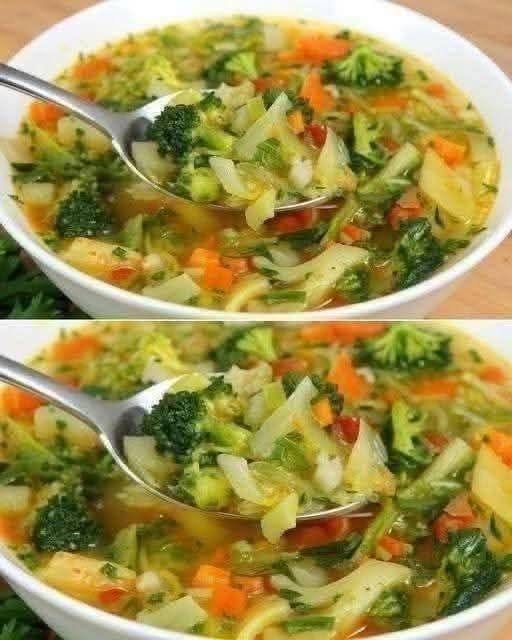
Homemade Vegetable Soup – Easy, Healthy, and Comforting Vegetable Soup Recipe
There is something so comforting about a warm bowl of homemade vegetable soup, especially on a chilly evening or after a long, tiring day. I love recipes that fill the kitchen with wonderful aromas while bringing simple, everyday ingredients together into something delicious. Vegetable soup is one of those recipes that never disappoints!
I first started appreciating homemade vegetable soup when I wanted something light, nourishing, and easy to prepare without spending too much time in the kitchen. It’s amazing how a handful of fresh vegetables, some garlic, herbs, and a flavorful broth can create such a satisfying meal.
What I particularly love about this recipe is its flexibility. You can use almost any vegetables you have in your refrigerator, adjust the seasonings to your taste, and make a big pot to enjoy throughout the week.
Whether you’re craving something warm during winter, looking for a light lunch, or simply trying to include more vegetables in your meals, this homemade vegetable soup is a wonderful choice.
So, grab your favorite vegetables, bring out a large soup pot, and let’s make a delicious bowl of comfort!
Why You’ll Love This Vegetable Soup Recipe
There are so many reasons to keep this easy vegetable soup recipe in your regular meal rotation.
-
Easy to prepare: Simple ingredients and straightforward cooking steps.
-
Full of vegetables: A delicious way to enjoy different vegetables in one meal.
-
Budget-friendly: Uses affordable ingredients that are easy to find.
-
Customizable: Add your favorite vegetables, herbs, and seasonings.
-
Perfect for meal prep: Make a large batch and enjoy it over several days.
-
Naturally vegetarian: Use vegetable broth for a completely vegetarian version.
-
Light and satisfying: A comforting meal that doesn’t feel too heavy.
Ingredients You’ll Need
The beauty of vegetable soup is that you don’t need anything fancy. Fresh vegetables and a few pantry staples are enough to create a flavorful homemade soup.
|
Ingredient |
Quantity |
|---|---|
|
Olive oil |
2 tablespoons |
|
Onion, chopped |
1 medium |
|
Garlic, minced |
3 cloves |
|
Carrots, diced |
2 medium |
|
Potatoes, diced |
2 medium |
|
Green beans, chopped |
1 cup |
|
Cabbage, shredded |
1 cup |
|
Sweet corn |
½ cup |
|
Peas |
½ cup |
|
Tomatoes, chopped |
2 medium |
|
Vegetable broth |
5 cups |
|
Tomato paste |
1 tablespoon |
|
Salt |
To taste |
|
Black pepper |
½ teaspoon |
|
Dried oregano |
½ teaspoon |
|
Dried thyme |
½ teaspoon |
|
Fresh parsley |
2 tablespoons |
|
Lemon juice |
1 tablespoon (optional) |
A little ingredient tip: You can replace or add vegetables depending on what’s available. Zucchini, cauliflower, broccoli, bell peppers, and spinach are all delicious additions.
How to Make Homemade Vegetable Soup
Making vegetable soup at home is incredibly easy. Follow these simple steps to prepare a flavorful pot of soup.
Step 1: Prepare the Vegetables
Start by washing all your vegetables thoroughly.
Peel the carrots and potatoes, then cut them into small, evenly sized pieces. Chop the onion, garlic, tomatoes, and green beans.
Shred the cabbage and measure out the peas and sweet corn.
I recommend cutting the vegetables into bite-sized pieces so they’re easy to eat with a spoon and cook more evenly.
Step 2: Sauté the Onion and Garlic
Place a large soup pot over medium heat and add the olive oil.
Once the oil is warm, add the chopped onion and cook for approximately 3–4 minutes until it becomes soft and translucent.
Add the minced garlic and stir for another 30 seconds.
This step creates a wonderful aromatic base that gives the soup its delicious homemade flavor.
Step 3: Add the Harder Vegetables
Add the diced carrots, potatoes, and green beans to the pot.
Stir everything together and cook for about 3–4 minutes.
Allowing the vegetables to sauté briefly helps bring out their natural flavors.
Step 4: Add Tomatoes and Seasonings
Add the chopped tomatoes and tomato paste.
Stir well and cook for another 2–3 minutes until the tomatoes begin to soften.
Now add the salt, black pepper, dried oregano, and dried thyme.
Mix everything together so the vegetables are evenly coated with the seasonings.
Step 5: Pour in the Vegetable Broth
Pour the vegetable broth into the pot and stir gently.
Bring the soup to a gentle boil, then reduce the heat.
Cover the pot partially and simmer for approximately 15–20 minutes, or until the potatoes and carrots are becoming tender.
Step 6: Add the Remaining Vegetables
Now add the cabbage, sweet corn, and peas.
Stir gently and continue cooking for another 5–8 minutes.
You don’t want to overcook the vegetables. They should become tender while still keeping some of their natural texture.
Step 7: Adjust the Flavor
Taste your soup and adjust the salt and black pepper as needed.
Add fresh parsley and a little lemon juice for a bright, refreshing flavor.
If you prefer a slightly thicker soup, mash a few potato pieces directly into the broth and stir gently.
Step 8: Serve Warm
Turn off the heat and let the soup rest for a couple of minutes.
Ladle it into serving bowls and garnish with fresh parsley.
Serve immediately with warm bread, garlic toast, or crackers.
Your homemade vegetable soup is ready to enjoy!
Tips for Making the Best Vegetable Soup
A few simple tricks can make your vegetable soup even more flavorful.
-
Use fresh vegetables: Fresh ingredients give the soup a lovely flavor and texture.
-
Cut vegetables evenly: Similar-sized pieces cook more consistently.
-
Don’t skip sautéing: Cooking the onion and garlic first builds a flavorful base.
-
Add vegetables according to cooking time: Hard vegetables need longer than leafy greens.
-
Use good-quality broth: It makes a noticeable difference in the final taste.
-
Avoid overcooking: Vegetables taste better when they aren’t mushy.
-
Finish with fresh herbs: Parsley, coriander, or basil can brighten the soup.
Different Variations of Vegetable Soup
One of my favorite things about this recipe is how easily you can change it. Here are a few delicious variations to try.
1. Creamy Vegetable Soup
If you enjoy a rich and smooth soup, add ½ cup of milk or cream toward the end of cooking.
You can also blend part of the cooked vegetables to create a naturally creamy texture.
2. Vegetable Soup with Chicken
For extra protein, add 1 cup of cooked, shredded chicken.
Simply stir it into the soup during the final 5 minutes of cooking until thoroughly heated.
3. Spicy Vegetable Soup
If you enjoy a little heat, add chili flakes, chopped green chilies, or a pinch of cayenne pepper.
This version is especially comforting on cold days.
4. Vegetable Noodle Soup
Add ½ cup of small pasta or noodles during the final cooking stage.
Cook according to the package instructions until tender. Add a little extra broth if needed.
5. Vegetable Lentil Soup
Add ½ cup of rinsed red lentils along with the broth. Simmer until the lentils are completely tender.
This makes the soup heartier and adds plant-based protein and fiber.
What to Serve with Vegetable Soup
Vegetable soup is delicious on its own, but pairing it with something crunchy or freshly baked makes the meal even more satisfying.
Here are some of my favorite serving ideas:
-
Garlic bread.
-
Toasted sourdough.
-
Homemade dinner rolls.
-
Grilled cheese sandwiches.
-
Cheese toast.
-
Crackers.
-
Fresh garden salad.
-
Roasted vegetable sandwiches.
For a cozy lunch, I especially love serving vegetable soup with warm garlic bread. Dipping a crispy piece of bread into the flavorful broth is such a simple pleasure!
How to Store and Reheat Vegetable Soup
One of the best things about homemade vegetable soup is that you can prepare it ahead of time.
Refrigeration: Allow the soup to cool, transfer it to an airtight container, and refrigerate for 3–4 days.
Freezing: Place completely cooled soup in freezer-safe containers, leaving a little room for expansion. Freeze for approximately 2–3 months for best quality.
Reheating on the stove: Pour the soup into a saucepan and heat over medium-low heat, stirring occasionally until thoroughly hot.
Reheating in the microwave: Transfer a portion to a microwave-safe bowl, cover loosely, and heat in intervals, stirring between each interval.
My storage tip: If you plan to freeze the soup, avoid adding pasta or noodles beforehand. They can become soft after thawing. Add freshly cooked noodles when serving instead.
Nutritional Information
Here is the approximate nutritional information for one serving, assuming the recipe makes 6 servings.
|
Nutritional Component |
Amount per Serving |
|---|---|
|
Calories |
145 kcal |
|
Protein |
4 g |
|
Carbohydrates |
24 g |
|
Total Fat |
5 g |
|
Saturated Fat |
1 g |
|
Fiber |
5 g |
|
Sugar |
7 g |
|
Sodium |
520 mg |
Note: Nutritional values are estimates and may vary depending on the vegetables, broth, and amount of salt used.
Frequently Asked Questions
1. Can I use frozen vegetables for vegetable soup?
Absolutely! Frozen vegetables are a convenient alternative to fresh vegetables. You can add them directly to the soup without thawing. Adjust the cooking time according to their size and type.
2. How can I make vegetable soup thicker?
You can mash some of the cooked potatoes into the broth, blend a portion of the soup, or add a little cornstarch mixed with cold water.
3. Can I make vegetable soup without vegetable broth?
Yes! You can use water instead. However, vegetable broth usually provides a richer flavor. If using water, adjust the herbs and seasonings to your preference.
4. Which vegetables are best for homemade vegetable soup?
Carrots, potatoes, green beans, peas, corn, cabbage, tomatoes, zucchini, and celery are excellent choices.
5. Can I make this vegetable soup in advance?
Yes! Vegetable soup is perfect for meal preparation. You can make it a day ahead and refrigerate it. The flavors often become even more developed after resting.
6. Is vegetable soup good for weight management?
Vegetable soup can be a satisfying option because it contains water-rich vegetables and fiber. However, weight management depends on your overall diet and lifestyle, not one particular recipe.
7. Can I make vegetable soup creamy without adding cream?
Yes! Blend some of the cooked potatoes and vegetables with a little broth, then stir the mixture back into the pot. This creates a naturally thicker, creamier texture.
8. How do I prevent vegetables from becoming mushy?
Add vegetables according to how long they take to cook. Start with potatoes and carrots, then add quicker-cooking vegetables like peas, corn, cabbage, and spinach toward the end.
Final Thoughts
There is a reason homemade vegetable soup remains a favorite in so many kitchens. It’s simple, comforting, affordable, and a wonderful way to enjoy a variety of vegetables in one delicious meal.
I love how flexible this recipe is. You can make it with whatever vegetables you have available, adjust the seasoning to suit your family’s taste, and prepare a big pot to enjoy throughout the week.
Whether you’re making it for a cozy winter evening, a quick weekday lunch, or a light family dinner, this homemade vegetable soup is always a lovely choice.
Serve it warm with a slice of crusty bread, sprinkle over some fresh parsley, and enjoy every comforting spoonful.
Sometimes, the simplest recipes bring the most warmth to the table. ❤️